Yogi Adityanath Agra speech targets ‘Saifai syndicate’ and museum plans
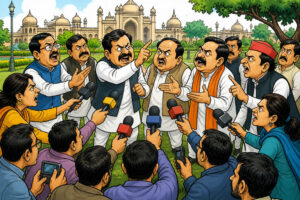
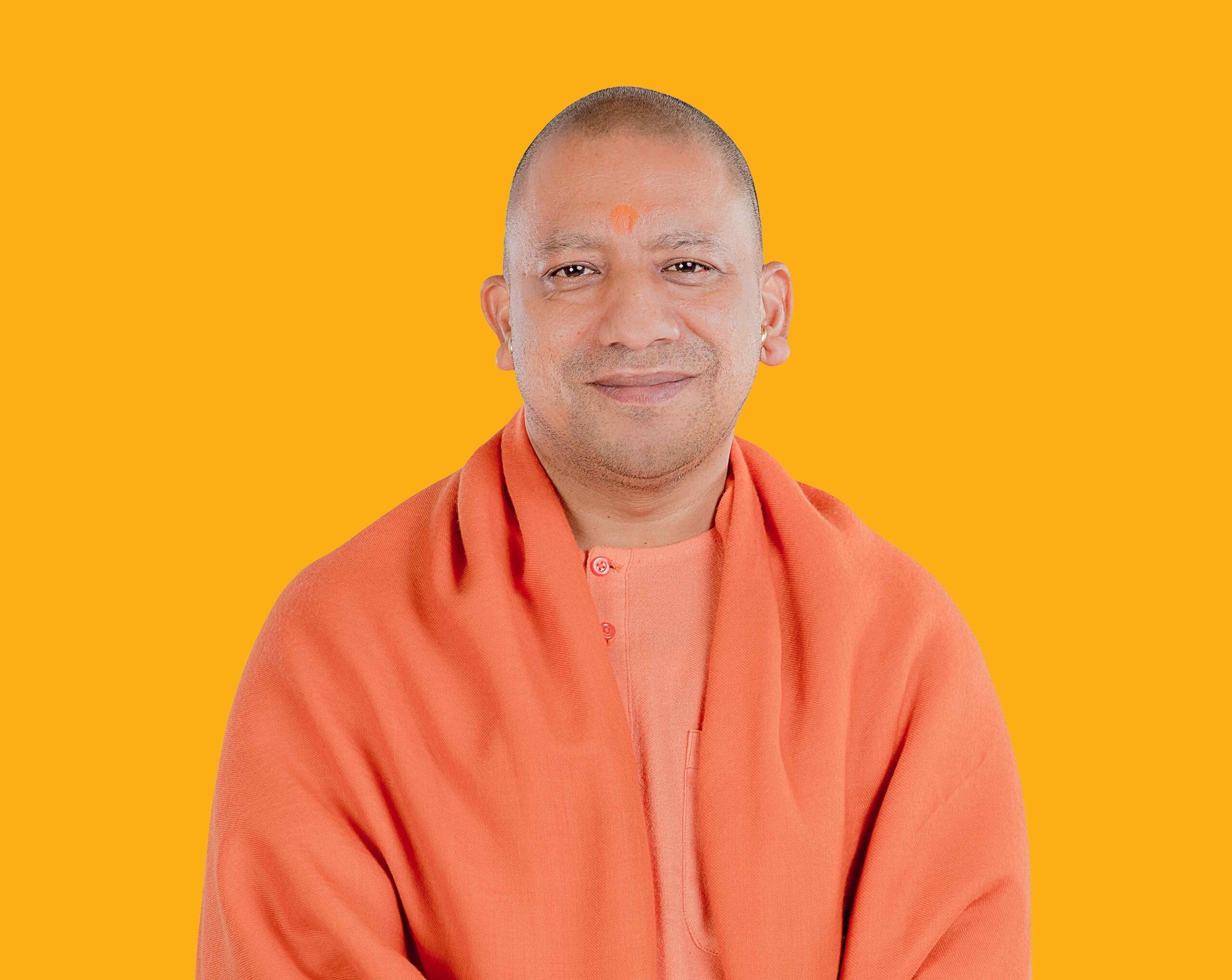
During his recent Yogi Adityanath Agra speech on Saturday, Chief Minister Yogi Adityanath launched a sharp attack on the Samajwadi Party. He alleged that a “Saifai syndicate” previously looted resources meant for Uttar Pradesh’s growth. Speaking at a public event in Agra, the Chief Minister used the platform to inaugurate 53 development projects worth over ₹342 crore, while framing the political battle around cultural identity and fiscal accountability.
A ₹342 Crore Investment in Regional Infrastructure
The visit to Agra served as a major milestone for regional development. Adityanath inaugurated and laid the foundation for 53 different projects, representing a total investment of more than ₹342 crore. For the residents of Agra and the surrounding districts, these projects promise improved local facilities and modernized infrastructure.
This massive rollout of development work is a key part of the government’s strategy to show tangible progress in the state’s key economic hubs. By focusing on large-scale projects, the administration aims to demonstrate that the current leadership is prioritizing the physical growth of the state over the political maneuvering of the past. For the UP diaspora and visitors, these improvements are intended to make the region more accessible and economically vibrant.
The Battle Over Cultural Identity and Museums
Beyond the infrastructure, the speech centered on a clash of historical narratives. Adityanath hit out at the Samajwadi Party’s previous plan to establish a Mughal museum in Agra. He stated clearly that public funds would not be used to build a museum named after an “invader.” Instead, he promised that the state would complete the Chhatrapati Shivaji museum by the end of this year.
This shift in cultural focus is significant. It shows how the current administration is using historical monuments to define its political and social identity. For visitors to Agra, the landscape of historical tourism is being intentionally redirected. This move reflects a broader trend in Uttar Pradesh where cultural heritage is being used as a cornerstone of governance and public policy.
Allegations of the ‘Saifai Syndicate’
The most stinging part of the address was the allegation regarding the “Saifai syndicate.” Adityanath claimed this group used its influence to “loot” resources that were intended for the state’s growth. By framing the previous administration’s actions in this way, the Chief Minister is positioning his government as a corrective force that is reclaiming what was lost.
This rhetoric is designed to link current spending to a sense of restorative justice. The government is presenting its ₹342 crore investment as a way to fix the damage allegedly caused by previous leadership. This approach seeks to build public trust by contrasting current development with past alleged mismanagement.
Political Strategy and Economic Impact
This strategy of linking infrastructure to political correction is becoming a standard playbook in Uttar Pradesh. When the government announces large budgets for specific regions, it is often accompanied by a narrative of “reclaiming” the state from old interests. This makes every new road, bridge, or museum a political statement. For the people of the Agra-Lucknow corridor, this means a steady stream of construction and tourism-related work, but it also means that development is closely tied to the political identity of the ruling party.
If the political winds shift in future elections, the focus of these massive projects might shift too. For now, the government is using these funds to cement a specific image of a modern, culturally assertive Uttar Pradesh. This approach aims to win over voters who feel that the state’s resources were previously mismanaged or used for narrow political interests.
- Inauguration of 53 development projects in the Agra region.
- Total project value exceeding ₹342 crore.
- Commitment to finish the Chhatrapati Shivaji museum by year-end.
- Direct criticism of the Samajwadi Party’s historical resource management.
The state government is increasingly linking large-scale infrastructure spending with a narrative of correcting past administrative mismanagement.
Why it matters
For the people of Lucknow and the wider UP diaspora, these developments signal a shift in how state resources are allocated. The government is moving away from projects associated with the previous administration’s cultural leanings and focusing on a narrative of “reclaiming” history. This political tug-of-war often dictates which cities receive the most attention and funding.
As the state manages large-scale religious and cultural shifts, similar to the Ayodhya Ram Temple committee updates, the focus remains on identity. This focus on infrastructure often contrasts with the immediate needs of students, who have recently been protesting paper leaks.
The political climate remains charged, much like the discussions surrounding education reforms in UP. While the government focuses on Agra, other cities like Varanasi manage massive crowds through heavy security deployments. Even the tension between political leadership and professional stability is visible in cases like the Bareilly professor dismissal.
Sources: Hindustan Times