
Delhi Satya Niketan Boys PG Collapse: At Least One Dead, Dozens Feared Trapped
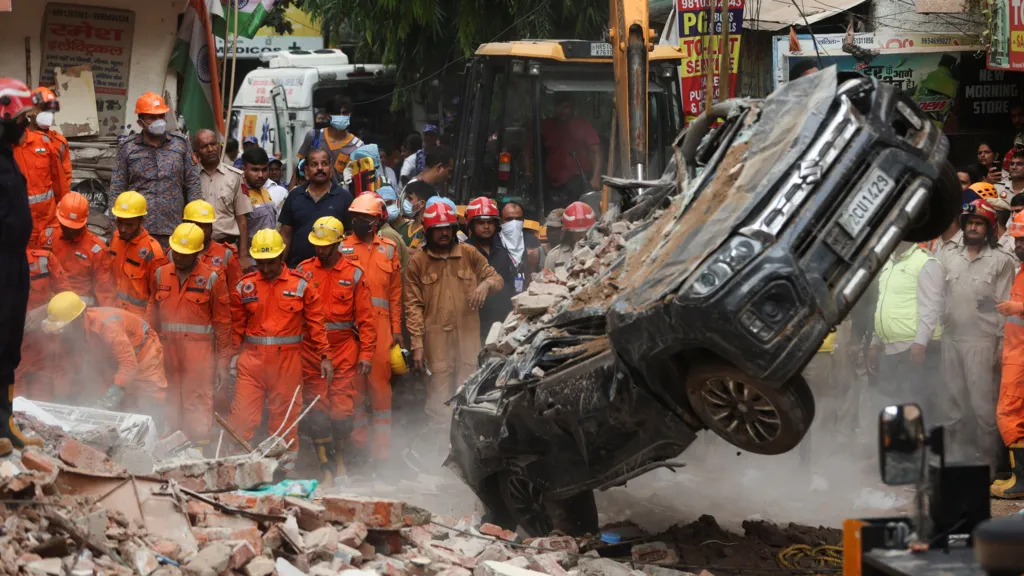
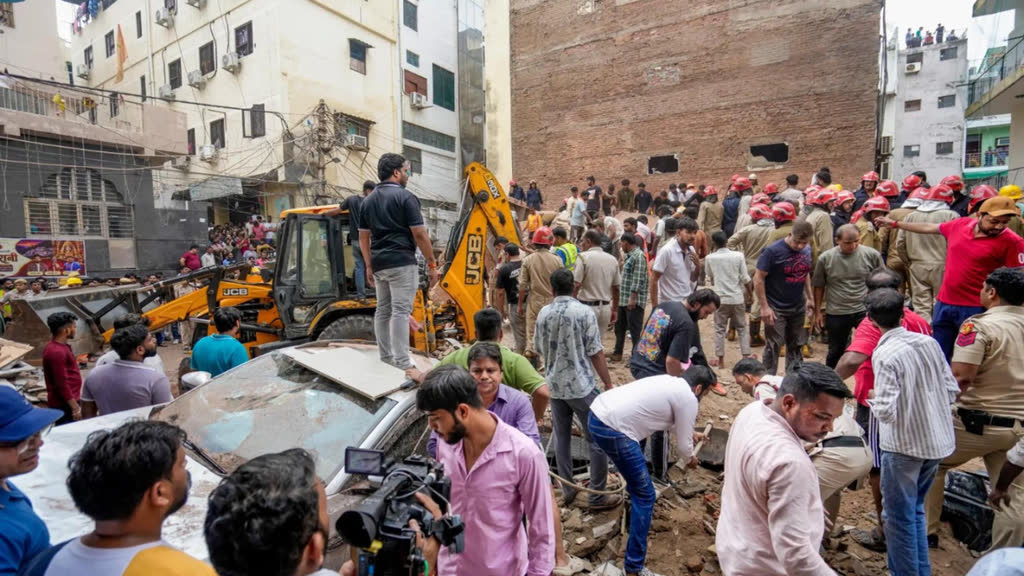
A five-storey boys paying guest building known as Hostel Daze collapsed in Delhi’s Satya Niketan at about 1:30 pm on Sunday, September 6. At least one person was reported dead, several others were in critical condition and dozens were feared trapped as rescue teams searched the rubble. The numbers remained fluid as the operation continued.
What happened in Satya Niketan
The building stood near Nanakpura Gurdwara and Delhi University’s South Campus, in a congested area lined with student PGs, hostels, eateries and shops. Delhi Police said a PCR call about the collapse reached South Campus police station at 1:34 pm.
Early accounts identified the building as Hostel Daze, a boys PG with a basement and five upper floors. Residents told news agencies that repair or construction work was underway in the basement before the collapse. Police were also trying to trace the building’s owner. The cause of the failure has not been established.
Rescue operation and casualty figures
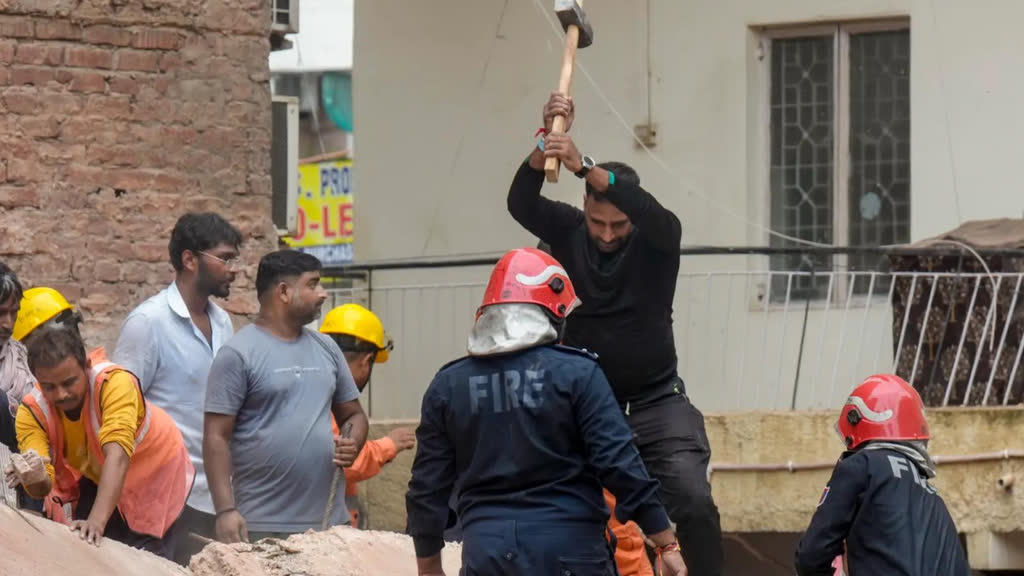
Delhi Police, the National Disaster Response Force, Delhi Fire Services, the Delhi Disaster Management Authority, MCD, CATS and Civil Defence teams were involved in the search. Residents and eyewitnesses also helped clear debris in the first hours. Delhi Chief Minister Rekha Gupta said the adjacent building was evacuated as a precaution.
BBC, citing local reports, said at least one person had died, two people were in critical condition and six had been rescued at the time of its report. Other reports later gave changing totals for deaths, rescues and patients in critical care. Because the search was still under way, the figures should be treated as provisional. Dozens were still feared trapped, based on preliminary police information and local accounts.
Eyewitnesses told local media that some people may have been inside their rooms when the building came down, as Sunday had no regular classes. Reports also said some trapped people had made calls from under the rubble. Rescue teams were working carefully because of the risk from the remaining structure and the neighbouring building.
Why this matters in Lucknow
The collapse puts a wider spotlight on the safety of buildings being used for student accommodation and other high-occupancy purposes. In Lucknow, the Aliganj fire aftermath raised similar questions about residential buildings being used for commercial activity, evacuation routes and enforcement of safety rules.
The Supreme Court scrutiny of illegal buildings in Aliganj and the court-appointed panel’s survey of disputed construction sites have added to the pressure for on-ground checks. The Delhi collapse is not proof of a connection with Lucknow’s cases, but it is a reminder that notices and inquiries only protect residents when unsafe conditions are actually corrected.
What investigators will examine
Authorities will need to establish the building’s approved plan, structural condition, basement work, occupancy and maintenance history. The inquiry will also have to determine whether construction activity affected the foundation and whether warnings or violations had been recorded before the collapse. Until those findings are available, the casualty and rescue figures remain subject to change.