Delhi air quality crisis spells trouble for Uttar Pradesh commuters
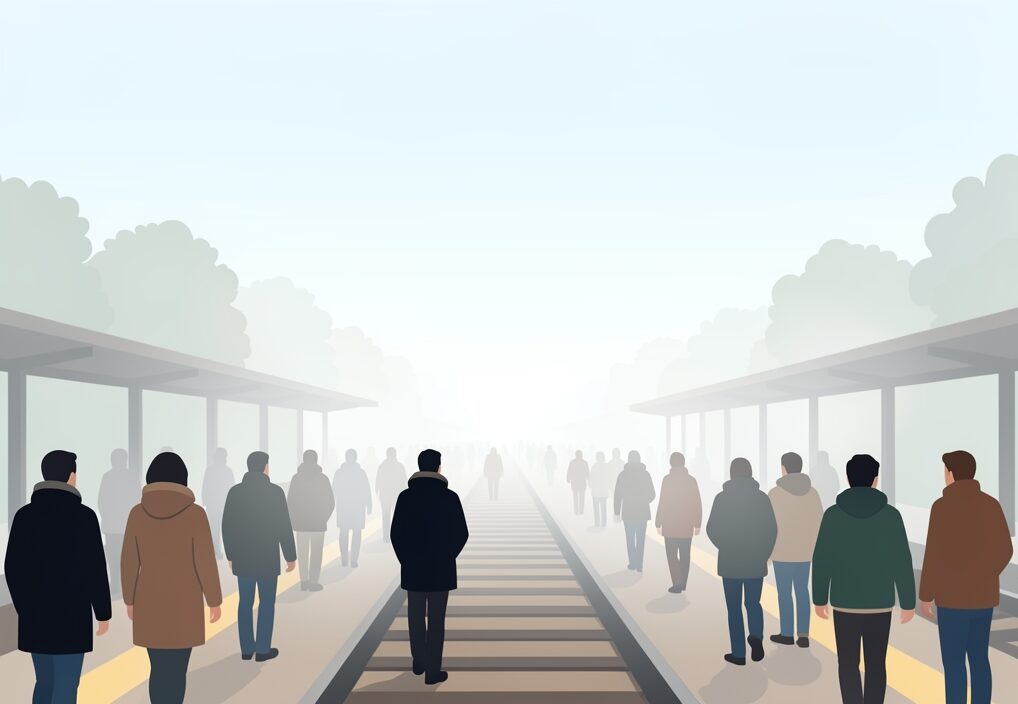
Delhi air quality remains a persistent hazard as official readings show the capital’s overall air quality index stuck at a grim 304 in the aftermath of festive celebrations. Released data from the Delhi Pollution Control Committee indicates that pollution levels far surpassed initial estimates, featuring extreme PM2.5 spikes that caught environmental monitors off guard. For commuters and families traveling along major transit corridors connecting Uttar Pradesh to the national capital, this prolonged toxic haze introduces immediate health risks and logistical headaches right as winter settles in.
According to the Central Pollution Control Board, stations across the national capital region continue to log alarming figures. Pusa and Chandni Chowk topped the list with an identical AQI reading of 395, closely followed by NSUT Jaffarpur at 382 and the Commonwealth Sports Complex at 380. These severe numbers mirror concerns previously seen when Lucknow air quality plunges into poor category ahead of Diwali celebrations, highlighting a broader regional crisis across northern India that refuses to dissipate quickly.
The Regional Transit Ripple Effect
For residents of Lucknow and the wider UP diaspora heading west, the toxic atmosphere in Delhi is more than just a distant weather update. Dense smog and poor visibility routinely disrupt movement across national highways and rail networks. Travelers navigating central districts often find themselves caught in multi-layered disruptions, echoing issues frequently reported when Chandni Chowk traffic restrictions: Central Delhi diversions impact Uttar Pradesh travelers. Security deployments and municipal interventions, such as heavy water sprinkling by local authorities, frequently alter routine transit paths, much like the delays experienced during Delhi Traffic Advisory: Central Delhi Restrictions Impacting Uttar Pradesh Travelers.
The interconnected nature of northern Indian transit means that when the capital sneezes, neighboring states feel the systemic strain. Whether passengers are boarding the Varanasi-Delhi Vande Bharat sleeper train launch transforms Uttar Pradesh travel or managing unexpected schedules caused by regional weather anomalies—similar to disruptions noted when Delhi Flight Diversions Disrupt Travel for Uttar Pradesh Flyers Amid Severe Weather—the capital’s environmental distress touches every commuter.
Health Impacts and Civic Response
The revelation that multiple hourly readings exceeded 1,000 µg/m3 on Diwali night underscores the intensity of local emissions. While municipal bodies have deployed water sprinklers to suppress particulate matter, public health experts advise citizens to take daily precautions. Key steps for vulnerable travelers heading toward the national capital include:
- Wearing N95 masks when stepping out in high-pollution zones like Chandni Chowk or railway approaches.
- Limiting outdoor physical exercise during early morning hours when toxic air settles near the ground.
- Checking real-time transit and weather advisories before embarking on inter-state road journeys.
Local authorities across the National Capital Region face mounting pressure to coordinate effective anti-pollution measures. Citizens demand long-term structural changes rather than temporary fixes.
Why it matters
For Lucknawites and travelers visiting or commuting to Delhi, understanding the depth of the capital’s pollution crisis is essential for planning safe journeys. As administrative measures struggle to clear the heavy particulate load, awareness remains the first line of defense for families navigating the interstate transit web.