Gurugram Road Rage Shocks UP Residents as Mother and Daughter Targeted on Golf Course Road
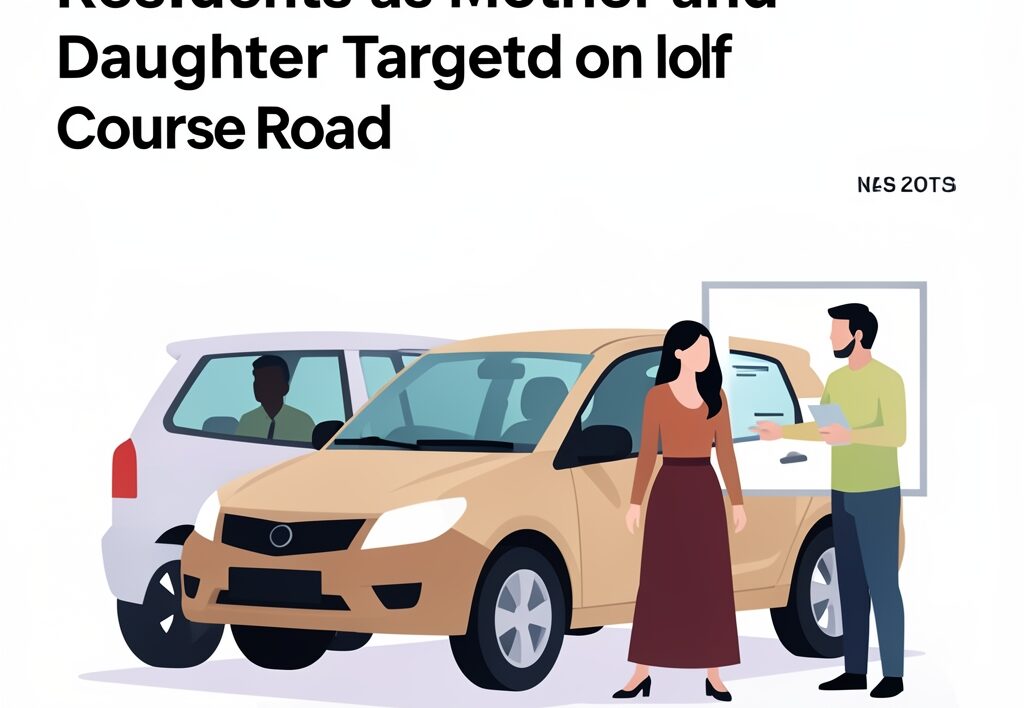
Gurugram road rage incidents continue to terrify commuters as accountability hits a wall. On August 27, a 45-year-old woman and her 24-year-old daughter faced verbal abuse and vehicle damage when a Mahindra Scorpio deliberately rammed their car at AIT Chowk along Golf Course Road. The harrowing episode unfolded at approximately 10:09 PM. Yet, despite the victims possessing direct dashcam evidence, local authorities dragged their feet for nearly three weeks before logging a formal complaint.
For residents living across Uttar Pradesh, watching the National Capital Region handle urban violence offers a sobering look at civic safety. When safety nets fray in neighboring corporate hubs, families across Lucknow take note. People commuting daily wonder how quickly local law enforcement would respond to similar aggressions on our own expanding avenues. Families traveling late at night often reflect on how urban friction transforms ordinary commutes into tense ordeals.
The Painful Wait for an FIR and Institutional Hurdles
The victim, a resident of Sector-55, approached the Sector-56 police station immediately following the attack. However, officers failed to lodge an immediate case. It took twenty days of relentless visits before an official First Information Report against an unidentified suspect was finally filed on Tuesday.
This sluggish response stands in sharp contrast to other high-profile regional cases. Consider how swiftly systems move when public pressure spikes. A parallel incident on the same stretch involving biker Shivani “Sia” Chauhan saw police invoke attempt-to-murder charges promptly only because video footage circulated widely online. Without viral outrage, ordinary citizens appear stranded in procedural limbo. Families in Uttar Pradesh frequently encounter similar bureaucratic bottlenecks when filing grievances, leaving victims to navigate a maze of paperwork rather than receiving immediate institutional protection.
- Incident occurred at AIT Chowk on Golf Course Road at 10:09 PM on August 27.
- Victims possessed dashcam footage documenting the entire vehicle assault.
- Police delayed registering the formal FIR for 20 days despite multiple appeals.
When citizens face unresponsiveness from local beats, trust in the justice delivery system diminishes rapidly. Dealing with late-night vehicular harassment requires prompt state backing. Instead, complainants find themselves begging for basic station documentation while perpetrators roam free.
Why It Matters for Lucknow and Beyond
Urban mobility and public safety go hand in hand. As cities like Lucknow witness rapid vehicular growth, infrastructure expands alongside unique traffic friction. Drivers frequently encounter aggressive road behavior, loud modifications, and volatile disputes at late hours. Much like how the Lucknow traffic police crushing response to loud bike silencers attempts to curb street noise and intimidation, civic authorities must clamp down early on public menace before minor disputes escalate into physical violence. Incidents like the Gurugram traffic police advisory set a blueprint for managing high-stress corridors, proving that proactive municipal planning prevents total chaos.
When police departments delay registering crimes, public trust fractures. Families traveling with young students or elderly relatives expect swift justice, not bureaucratic avoidance. Whether it involves reckless drivers dodging consequences or municipal bodies waking up only after tragedies, accountability remains non-negotiable. Citizens comparing urban policing standards across states often reference structural gaps, much like the vulnerabilities exposed during Lucknow structural audits building safety gaps. Similar systemic blind spots also surface when families confront tragedies on transit corridors, mirroring the grief seen after incidents like the Lucknow student killed in Nakkhas flyover crash after brake failure.
Furthermore, safety anxieties ripple outward. The UP diaspora keeping tabs on hometown affairs expects municipal systems to remain watertight. Unchecked road aggression left unpunished breeds an environment where civic rules hold little value. Local commuters tracking regional developments draw parallels to other administrative crises, such as the public outcry following the Ayodhya firing case intensifies in Lucknow as victim’s mother dies at KGMU. Public welfare relies heavily on immediate, compassionate governance.
Key Takeaway: Administrative delays in recording violent road offenses compromise public safety, forcing citizens to rely on viral visibility rather than institutional protection for justice.
Looking Ahead at Urban Safety
Curbing road rage requires structural enforcement. Authorities cannot wait for dashcam videos to trend on social media before taking action. Whether handling aggressive drivers or monitoring street-level disturbances, rapid police intervention deters future violence. Commuters deserve robust safety frameworks that protect everyday travelers without requiring viral public campaigns.
As commuters navigate late-night city stretches, the demand for transparent, zero-tolerance policing grows louder. Residents deserve streets where law enforcement acts on the first report, ensuring safety for every mother, daughter, and traveler on the road.
Sources
This report is based on details provided by Hindustan Times.