Ghaziabad restaurant hygiene standards spark intense food safety debate across Uttar Pradesh
Ghaziabad restaurant hygiene standards spark intense scrutiny across Uttar Pradesh as families demand strict enforcement.
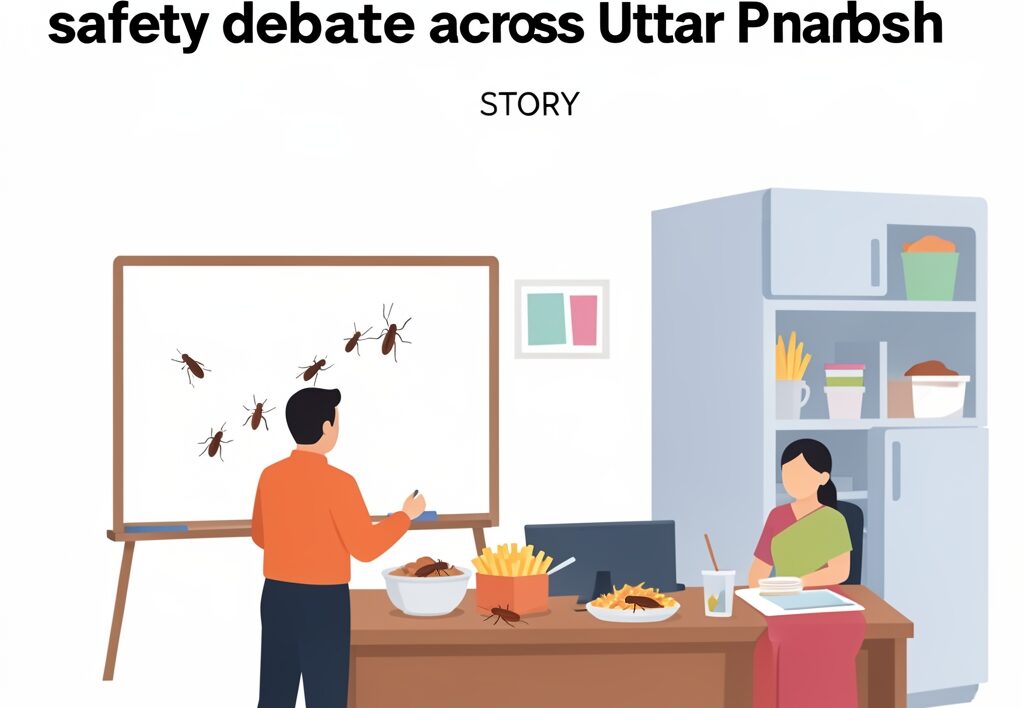
When district officials raided a prominent roadside eatery in Ghaziabad on Wednesday, September 24, 2026, they uncovered a public health hazard that quickly sent shockwaves far beyond the National Capital Region. Acting on social media alerts, enforcement teams found cockroaches crawling freely over stored food items, French fries stock, and inside a corroded refrigerator. For residents across Uttar Pradesh, including families in Lucknow watching closely from home, the abrupt shutdown serves as an unsettling reminder of the hidden risks behind restaurant doors.
Additional district magistrate (city) Vikas Kashyap confirmed that the kitchen has been directed to remain closed until full regulatory compliance is met. While swift administrative action offers reassurance, it also lays bare systemic shortcomings in routine commercial kitchen monitoring. Diners trust that local establishments maintain basic sanitation, yet viral exposes remain the primary trigger for regulatory intervention.
The broader impact on dining culture and consumer trust
Food culture forms the heartbeat of our state, stretching seamlessly from the historic galanies of Chowk in Lucknow to modern dining establishments in NCR. When a major outlet fails basic health inspections, consumer confidence takes an immediate hit. Local diners are growing increasingly vocal about transparency, demanding accountability from commercial operators who cut corners on pest control and refrigeration maintenance.
This episode mirrors broader anxieties seen during recent public debates over food standards, such as the discussions surrounding vegetarian menu compliance and quality control seen in Priyanka Chaturvedi Vegetarian Menu Debate Hits Lucknow Food Culture. Whether ordering roadside snacks or visiting upscale establishments, patrons want absolute assurance that their health is not being compromised for profit.
- Enforcement teams discovered active cockroach infestations on raw and processed food stock.
- Refrigeration units found with severe base corrosion, creating vectors for contamination.
- The establishment faces strict compliance notices before any reopening is permitted.
Why municipal oversight matters for everyday citizens
Urban food safety directly impacts community well-being, turning a localized Ghaziabad enforcement action into a statewide concern. Citizens across Uttar Pradesh rely on proactive municipal oversight rather than reactive social media outrage to keep commercial kitchens clean. Similar infrastructure and civic vulnerabilities have previously drawn sharp focus, such as municipal safety gaps highlighted in Lucknow structural audits reveal severe municipal gaps after tragedies. Maintaining stringent oversight prevents health crises before they strike.
Furthermore, related civic disruptions—ranging from water contamination issues like Ganga water supply Noida Sector 94 restored after taps turn contaminated to utility failures such as Noida Power Outage Hits Sectors 31 and 36 After Underground Cable Failure—demonstrate that public infrastructure requires constant vigilance. Other localized safety concerns, including transit infrastructure fixes seen in Ghaziabad Foot Over Bridge construction begins on NH-9 and Delhi-Meerut Expressway to curb accidents, reinforce the need for comprehensive civic accountability.
Examining commercial kitchen practices statewide
Beyond immediate health closures, the incident forces a hard look at how food businesses operate across Uttar Pradesh. Commercial kitchens handle massive volumes daily, yet employee hygiene training and routine equipment sanitization are frequently sidelined to save operating costs. Local food inspectors face staffing constraints, meaning that many eateries operate for years without thorough sanitary evaluations.
For families dining out in Lucknow, Ghaziabad, Noida, and Kanpur, this situation underscores the need for visible rating systems and transparent kitchen practices. When customers can easily review sanitation grades, restaurants face continuous market incentives to keep their facilities spotless. Civic groups argue that food safety departments must publish regular inspection summaries online rather than waiting for citizen complaints to trigger surprise checks.
Looking ahead to better regulatory enforcement
Restoring consumer confidence requires sustained administrative willpower. District administrations across Uttar Pradesh must institutionalize unannounced audits and levy severe penalties for repeat violations. Regular, unannounced inspections remain our best defense against corporate negligence in the food sector. As public awareness grows, the expectation for clean, safe dining environments becomes a non-negotiable standard for everyday life.
Sources
Why it matters
Here is why Ghaziabad Restaurant Hygiene matters for readers following this story.