Varanasi School Teacher Arrested After Branding Student With Hot Knife
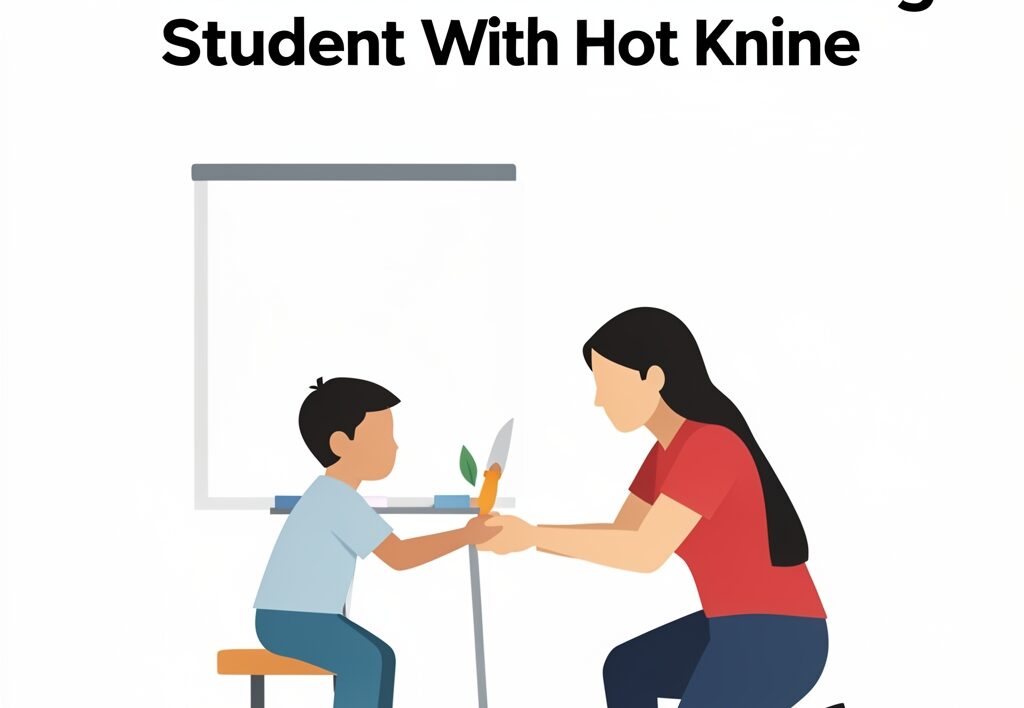
A shocking incident in neighbouring Varanasi has sent ripples of horror across Uttar Pradesh, highlighting severe systemic failures within private educational institutions. A Varanasi school teacher allegedly branded a five-year-old nursery student’s private parts with a heated knife as punishment for urinating in his school uniform. According to reports from The Indian Express, the child was reportedly denied permission to use the restroom by the instructor, Preeti Kushwaha, before the horrifying punishment occurred on July 24.
The victim’s father, Kesari Jaiswal, a lawyer by profession, filed a formal complaint at the Lalpur-Pandeypur police station. According to police statements, the young boy returned home complaining of intense pain and discomfort. When the family attempted to seek accountability from the school management, principal Hemlata Singh allegedly dismissed their concerns entirely, telling them to do whatever they want. A subsequent medical examination confirmed a blister on the child’s private parts, prompting local authorities to record statements from medical professionals and launch a comprehensive probe as covered by the Hindustan Times.
For families living in Lucknow and across the state, incidents like this stir deep fears about where children spend their early mornings. Just as parents track youth milestones like Meet Agraarth Mishra India’s 7-Year-Old Chess Prodigy, trusting a school should feel entirely safe rather than harrowing. When basic administrative empathy vanishes, classrooms stop being centers of learning and turn into places of dread.
Institutional Apathy and the Safety Crisis in Schools
This horrifying episode lays bare a terrifying breakdown in student safety and administrative accountability. Parents across Uttar Pradesh entrust their young children to schools, expecting a nurturing environment. Instead, cases like this reveal how unchecked corporal punishment and hostile institutional responses can endanger the most vulnerable. While political and administrative discussions often center around broader educational reforms—much like ongoing debates highlighted in Mayawati Urges Focus on Education System Reform Amid NEET Controversy—the grassroots reality inside primary classrooms demands immediate structural intervention and strict penal enforcement.
When school principals protect abusive staff instead of safeguarding children, public trust shatters. The Station House Officer confirmed that an FIR has been registered against the teacher, the principal, and the manager. While investigators gather evidence, the community reaction across Varanasi and Lucknow underscores a deep-seated demand for swift justice. Incidents like this also evoke memories of past civic protests against administrative negligence, similar to how citizens mobilize for accountability during events such as the Ajay Rai Leads Lucknow Paper Leak Protest.
Similar local anxieties surface during major public gatherings where safety protocols are pushed to their limits, reminding us that monitoring authorities is an ongoing civic duty. Whether reviewing massive security steps like Varanasi Sawan security: 5,000 cops and massive CCTV net for Kashi rush or examining urban bylaws like Gorakhpur night boating ban after fatal Ramgarh Tal collision, everyday safety depends on strict accountability.
What This Means for Parents Across Uttar Pradesh
For families living in Lucknow and travelling across Uttar Pradesh, this case serves as a grim reminder to actively monitor school environments. Educational institutions must be held accountable for the psychological and physical well-being of young students. Local authorities have stepped up inquiries, but parental vigilance remains the first line of defense against institutional cruelty.
Regulatory bodies must look closely at how private schools operate, much like how food safety and vendor policies face scrutiny during events such as Kanwar Yrata Food Restrictions: Meerut’s New Rules Spark Citywide Debate. Urban negligence is also evident in structural hazards like those discussed in Aliganj Fire Aftermath: Why Lucknow Residential Misuse Still Threatens Safety, showing that oversight is lagging in residential zones.
- Always maintain open communication channels with young children about their daily school experiences.
- Report any signs of unusual fear, corporal punishment, or denial of basic needs immediately to local authorities.
- Demand transparent grievance redressal mechanisms from private school management boards.
Political figures often address these systemic gaps during public rallies, similar to recent remarks captured in Yogi Adityanath Agra speech targets ‘Saifai syndicate’ and museum plans, yet real reform requires community-led pressure on local administrations. Spiritual and cultural advisory boards also weigh in on community standards, comparable to the formation seen in New Ram Temple Committee Formed to Guide Ayodhya Rituals Amid Donation Row, reinforcing that moral guidance must start with protecting the young.
Traffic management updates, such as Kawar Yatra traffic: Ghaziabad announces major road closures and diversions, show how public systems coordinate during stress, a level of active response that should apply equally to school safety.
Parents must demand strict regulatory oversight and mandatory safety audits across all primary schools to prevent such unconscionable acts of violence against children.
Why it matters
Child safety in primary schools is a non-negotiable civic right. When educators resort to medieval punishments, it exposes a dangerous lack of empathy and regulatory control. For residents of Lucknow and the broader UP diaspora, this case demands a unified push for safer classrooms, stricter background checks for staff, and uncompromising legal consequences for negligent school managements.