Lucknow Health Alert Issued for Dengue and Malaria After Three Days of Heavy Rain
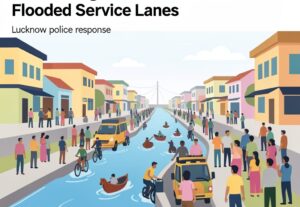
A strict Lucknow health alert has been declared across all eight municipal zones following three days of uninterrupted rainfall that left residential streets and commercial hubs submerged. The heavy downpour, which mirrored patterns seen during recent severe weather disruptions detailed in Lucknow Weather: Daylong Rain as Monsoon Begins Retreat, created ideal breeding conditions for mosquitoes. This sudden shift has prompted urgent surveillance and rapid response measures by district medical authorities.
Local health departments stepped up preventive operations as stagnant pools accumulated in neighborhoods across the city. Similar precipitation events have historically strained municipal infrastructure, often compounding urban challenges akin to the issues highlighted in Lucknow rain waterlogging: Cave-ins, potholes, and familiar civic pain across city neighborhoods and Lucknow power breakdown hits neighborhoods as heavy rain strains grid infrastructure. When drainage systems fail to clear the deluge quickly, residents face immediate risks from waterborne and vector-borne illnesses that thrive in warm, stagnant water.
Intensified Surveillance Across All Eight Zones
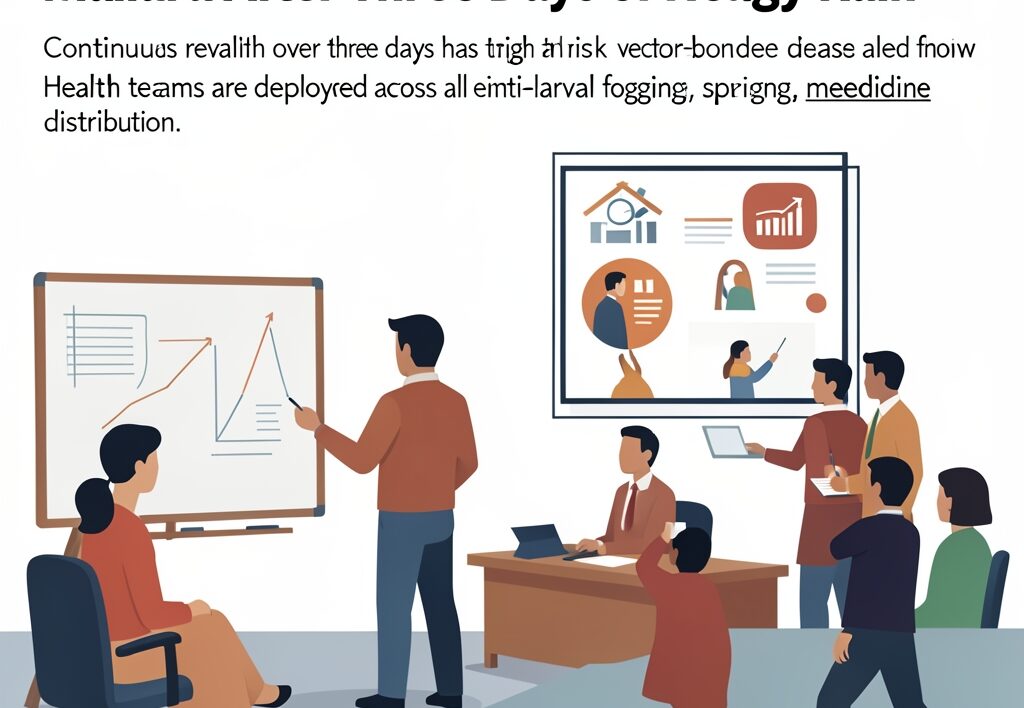
Yogesh Raghuwanshi, district health education and information officer in the office of the chief medical officer (CMO), confirmed that field teams are keeping a close watch on vulnerable sectors. According to reports from Hindustan Times, sanitation and medical units are actively distributing preventive medicines and running public awareness campaigns.
District malaria officials note that standard operating procedures require immediate source reduction once precipitation ceases. Fogging machines and anti-larval chemical applications form the primary line of defense against Aedes and Anopheles mosquitoes in localities ranging from Mahanagar to Alambagh.
- Deployment of rapid response medical teams in all eight zones.
- Distribution of preventive medication and mosquito repellents.
- Intensive anti-larval spraying and fogging in low-lying residential pockets.
Civic observers note that proactive administrative intervention remains critical, especially when concurrent municipal stress points—ranging from road safety concerns like those in Lucknow Student Killed in Nakkhas Flyover Crash After Brake Failure to structural worries analyzed in Lucknow structural audits reveal severe municipal gaps after tragedies—already stretch local resources thin. Furthermore, citizens managing everyday travel logistics, such as booking holiday trips tracked in Lucknow Diwali trains run out of berths 60 days in advance or dealing with daily transit anomalies like the incident in Lucknow Auto Driver Arrested After Passenger Pays ₹3,000 to Chase Vande Bharat Train, must remain vigilant about their personal health amidst seasonal shifts.
Understanding the Local Health Impact
For families living in Lucknow, a sudden spike in vector-borne illnesses places an immediate burden on local clinics and household finances. Dengue and malaria cases historically climb during the post-monsoon window if standing water goes untreated for even a few days. Swift municipal spraying prevents localized outbreaks from escalating into a city-wide healthcare crisis that overwhelms government and private hospitals alike.
Neighborhood committees and Resident Welfare Associations are coordinating with municipal workers to ensure that empty plots and parks do not become breeding grounds. Local chemists report a steady rise in inquiries for mosquito repellents and fever testing kits, signaling that public awareness is translating into early precautionary steps at the household level.
Residents must inspect coolers, flower pots, and rooftop containers daily to empty trapped rainwater and stop mosquito reproduction at the source.
As health workers continue door-to-door distribution and awareness drives, citizens can also protect themselves by utilizing insect repellents and wearing full-sleeve clothing during peak mosquito feeding hours at dawn and dusk. Staying informed through verified local updates helps communities navigate the seasonal transition safely without falling prey to rumors or panic.
Why it matters
Here is why Lucknow Health Alert matters for readers following this story.