Naga Peace Talks Elevated by MHA as Students Skip I-Day
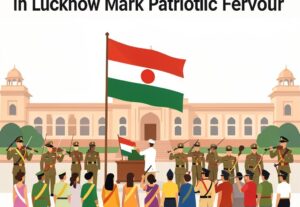
Nagaland Chief Minister Neiphiu Rio announced on Saturday that the long-standing Naga peace talks have officially been elevated to the ministerial level. Speaking on the occasion of Independence Day at the Secretariat Plaza in Kohima, Rio revealed that the Ministry of Home Affairs has constituted a dedicated committee headed by a Union minister of state to spearhead negotiations. This administrative shift comes at a delicate political juncture, highlighted by student parade contingents staying away from official state celebrations over the mandatory singing of Vande Mataram.
For citizens across the country watching federal policy unfold, regional administrative shifts carry profound weight. While Uttar Pradesh residents often focus on state-level developments like the UP monsoon session or local initiatives championed during the grand Tiranga Yatra in Lucknow, national integration issues resonate deeply. The friction between state-mandated event protocols and student participation in Kohima mirrors civic debates seen elsewhere, such as when students organize around local issues, echoing youth movements seen during Lucknow student protests or rallies addressing systemic grievances like paper leak demonstrations.
Elevating the Dialogue and Federal Dynamics
Chief Minister Rio emphasized that the people of Nagaland yearn for an early resolution to the decades-old political issue. By moving negotiations to the ministerial tier through an MHA-backed panel, New Delhi signals a renewed push for finality. Yet, ceremonial friction on the ground demonstrates that administrative resolve must be matched with localized cultural sensitivity. When student bodies opt out of national day parades, it serves as a stark reminder of the underlying complexities governing state-society relations in India’s border regions.
As the central government takes direct administrative steps, local civil society groups are watching closely. The involvement of a Union minister of state offers a direct channel to the highest levels of executive power in New Delhi, bypassing intermediate bureaucratic delays that often frustrate regional stakeholders. This change in gear could redefine how protracted insurgencies and political frameworks are approached across India’s northeastern corridor.
- MHA forms a new committee led by a Union minister of state.
- Chief Minister Neiphiu Rio confirms the upgrade during Independence Day addresses.
- Student contingents boycott official events over protocol disputes regarding Vande Mataram.
- Local civic groups monitor whether ministerial oversight will accelerate a final political settlement.
Civic Impact and Broader Implications
For observers tracking national policy from cities like Lucknow—where conversations frequently intersect with governance milestones, educational achievements like the Lucknow University convocation, and broad economic shifts involving youth employment shifts—developments in the Northeast highlight the intricate balance of federalism. Political stability requires continuous dialogue, whether dealing with regional insurgency frameworks or ensuring that student bodies feel included in civic identity expressions rather than alienated by rigid protocols.
Political observers note that while ministerial oversight provides the necessary bureaucratic muscle to push peace accords across the finish line, grassroots alignment remains paramount. Nagaland’s latest political developments will test the central government’s ability to balance administrative frameworks with regional sentiments. Discussions around cultural identity, administrative autonomy, and student dissent remain central to maintaining harmony in sensitive zones.
Furthermore, civic discussions in Uttar Pradesh often touch upon similar themes of administrative outreach, as seen when leaders assess grassroots concerns during events like the Kanwar Yatra preparations or debate regional political dynamics in forums similar to discussions on political accountability and bilateral cooperation frameworks like defence ties forged in Lucknow. Ground reports detailing the Nagaland students boycott further underscore how local student action intersects with overarching federal policies.
Key Takeaway: The elevation of Naga peace talks to the ministerial level by the MHA marks a significant bureaucratic push for a political settlement, even as regional friction over cultural protocols complicates local state celebrations.
Why it matters
Resolving long-standing regional conflicts strengthens national integration and economic stability across the country. For students, policymakers, and citizens alike, understanding how federal ministries handle protracted negotiations sheds light on the broader trajectory of Indian democracy and internal security management.