
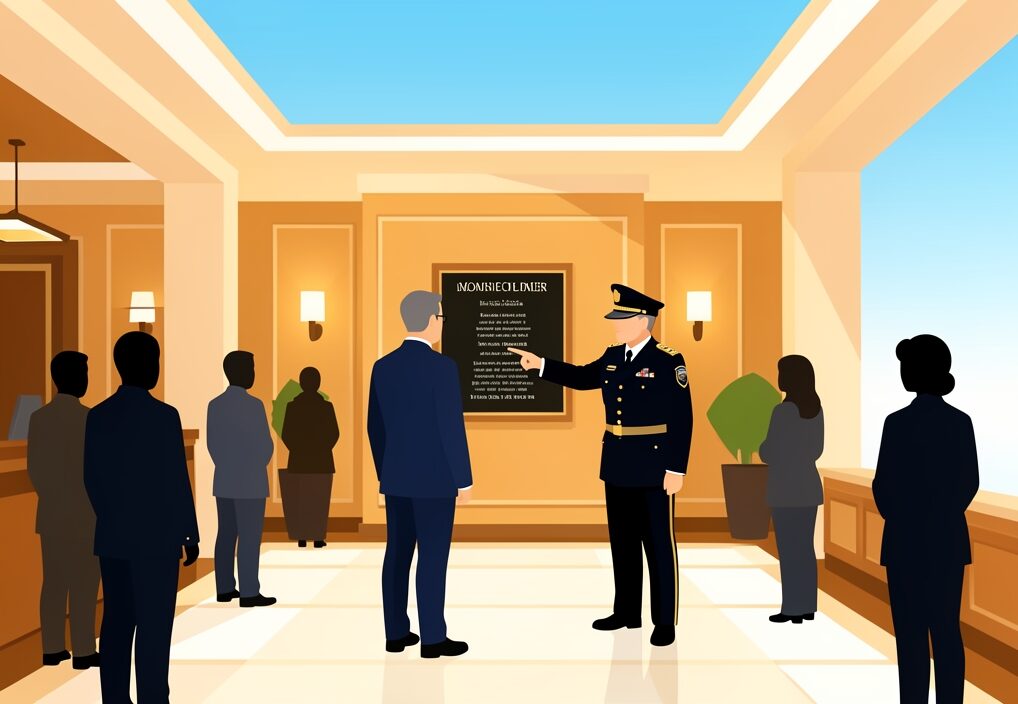
Marco Rubio 26/11 briefing: Taj security chief recalls horror of 2008 terror attacks for visiting US dignitary
U.S. Secretary of State Marco Rubio 26/11 briefing took place on Tuesday at the iconic Taj Mahal Palace Hotel in Mumbai, where surviving security personnel recounted the harrowing events of the 2008 terror strikes. Accompanied by External Affairs Minister S Jaishankar, Rubio paid solemn respects to the victims of the tragedy during a wreath-laying ceremony at the hotel memorial.
For readers across Uttar Pradesh tracking global diplomacy and national security, high-level diplomatic engagements of this scale carry deep resonance. Security protocols across major Indian transit hubs and metropolitan centers are frequently reviewed in light of such historic intelligence briefings. Staying updated on these developments helps travelers understand shifting security measures, much like how residents keep track of local advisories during festive security and traffic management in Lucknow.
Firsthand Accounts from the 2008 Siege and Local Administrative Parallels
Sunil Kudyadi, the head of security at the Taj Mahal Palace Hotel, led the briefing for the visiting American statesman. Kudyadi was physically present inside the hotel when the multi-pronged terrorist attacks unfolded in November 2008. His ground-level perspective provided Rubio with a granular understanding of how the hospitality staff and security teams navigated the unprecedented crisis.
By walking through the historic corridors where history shifted, the diplomatic delegation acknowledged the resilience of Indian institutions. Such high-profile visits also remind citizens of the constant vigilance required in public spaces. Similar vigilance is echoed closer to home when political figures and security agencies coordinate major public events, mirroring the discussions seen during political governance debates across Uttar Pradesh and security reviews following incidents like the security tightening at prominent residences.
When international leaders engage with local security apparatuses, it highlights the operational gaps that civil administrations must constantly bridge. Citizens in Lucknow often observe similar bureaucratic and infrastructural reviews after local emergencies, such as managing civic waterlogging through Lucknow flood relief operations with LDA pumps or addressing safety shortcomings during crowded urban celebrations akin to the Varanasi elephant rampage festival safety concerns.
Geopolitical Implications and Bilateral Counter-Terrorism Frameworks
The joint appearance by Rubio and Jaishankar highlights the enduring security partnership between Washington and New Delhi. Intelligence sharing and counter-terrorism frameworks remain cornerstone pillars of the bilateral relationship. As global leaders evaluate past security failures and modern defense strategies, the dialogue inevitably influences domestic policy discussions throughout the country.
- US Secretary of State Marco Rubio laid a wreath at the 26/11 memorial site.
- External Affairs Minister S Jaishankar accompanied the American delegation in Mumbai.
- Taj security chief Sunil Kudyadi shared operational memories from the 2008 attacks.
For additional details regarding the itinerary and official statements, you can read the Hindustan Times report on Marco Rubio’s Mumbai briefing. These global partnerships directly shape national security budgets and intelligence coordination that filter down to state-level law enforcement agencies.
Political debates in Uttar Pradesh frequently touch upon governance, public safety, and accountability, much like the dialogue surrounding events such as the Nitin Nabin Varanasi visit and youth views, or the civic friction noted during regional agitations like the Congress protests in Uttar Pradesh and CEC protest evaluations in Lucknow. Furthermore, domestic political leaders often address public grievances regarding governance and institutional trust, as seen during events like the Akhilesh Yadav Lucknow presser on vote theft.
Key Takeaway: The briefing between Marco Rubio and eyewitness security officials reinforces the global commitment to remembering the victims of 2008 while strengthening modern counter-terrorism intelligence partnerships.
Why it matters
International diplomatic gestures honoring victims of cross-border terrorism reinforce India’s persistent stance on global security accountability. For the UP diaspora and citizens watching international affairs, these meetings signal sustained bilateral cooperation against extremist threats. Understanding these geopolitical movements provides valuable context for broader national security policies that ultimately impact civic life nationwide, influencing everything from urban preparedness to regional travel patterns, much like navigating disruptions caused by security-related travel bottlenecks or local administrative crackdowns during high-risk festival preparations.