Pune Metro Double-Decker Flyover Design Finalised: What Urban Commuting Lessons Mean for Uttar Pradesh
Pune Metro infrastructure planning reached a major operational milestone as municipal authorities officially finalised designs for two prominent double-decker flyovers. MahaMetro cleared key local hurdles for the structures at Karve Statue and Dr Babasaheb Ambedkar Chowk in Warje, pushing the crucial Nal Stop to Manikbaug extension closer to actual construction.
MahaMetro spent many months refining these blueprints while managing feedback and design adjustments requested by the Pune Municipal Corporation. Although central and state government approvals were secured earlier, municipal revisions slowed the overall timeline. The combined preliminary cost for the road flyovers and the stacked Metro viaduct works is pegged at ₹404 crore according to recent Hindustan Times reports.
The Mechanics of Multi-Level Urban Transit
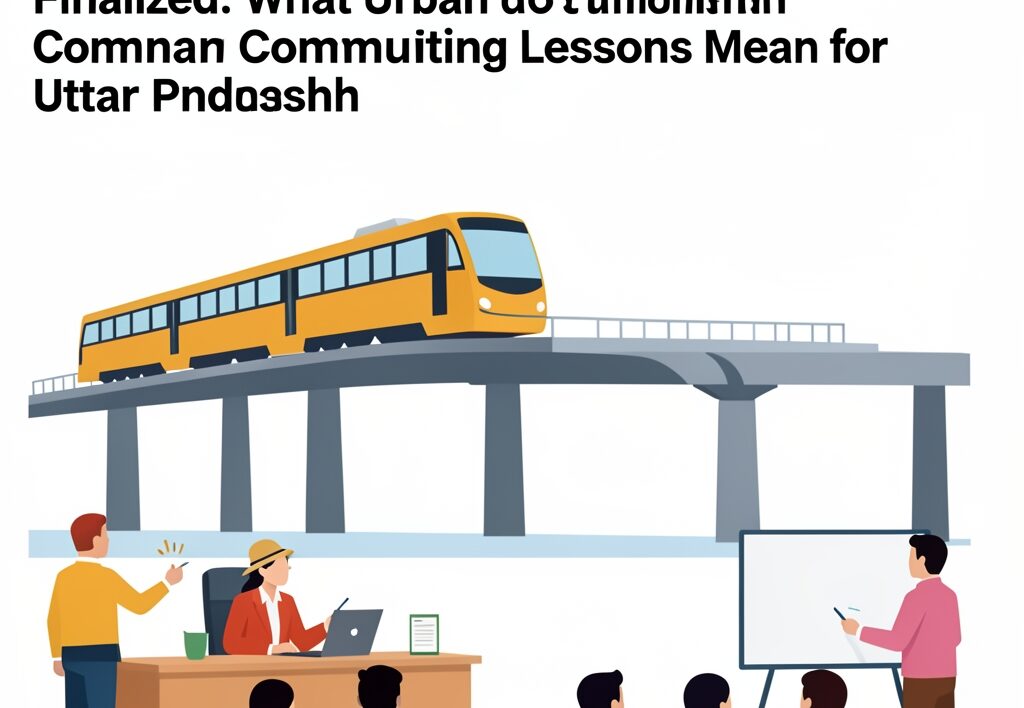
Stacked transit engineering solves spatial scarcity in dense metropolitan zones. By placing regular vehicular traffic on a lower road flyover and running rapid transit rails overhead, growing cities maximize narrow corridors without massive land acquisition expenses. While Lucknow commuters rely on standard elevated tracks like those detailed in How to Ride the Lucknow Metro: Tokens, Stations and Last-Mile Tips and celebrated in milestones like Lucknow Metro Clocks 15 Crore Passenger Journeys in Nine Years, other expanding metros face severe land bottlenecks that demand creative vertical solutions.
Local authorities in Pune must now confirm financial commitments to match the project’s ₹404 crore budget estimate. Funding alignment between municipal bodies and transit corporations remains the ultimate test for large-scale engineering undertakings across India. When funding stalls or municipal clearances drag on, commuters pay the price in daily traffic jams and delayed timelines.
Why It Matters for Uttar Pradesh Commuters
Urban corridors across Uttar Pradesh face identical congestion pressures as vehicular populations surge alongside rapid transit expansions. Whether watching flyover developments unfold in western regions or tracking updates such as Rajiv Chowk Flyovers Tender Plan: NHAI Sets March 2027 Deadline, residents understand that coordination between civic bodies and transport agencies determines whether projects stall or succeed. Other major urban updates, such as investigations into SC-Appointed Panel Inspects Illegal Constructions in Lucknow or rural security updates like the IPS officer security crisis deepens after Ambedkar Nagar tragedy, show how administrative friction impacts everyday safety and governance.
Political strategies also heavily influence how civic budgets get allocated, as seen when leaders debate policies like the Vinod Tawde UP polls strategy takes aim at Samajwadi Party PDA coinage in Lucknow. Meanwhile, public safety concerns span far beyond transit, with tragic reminders surfacing in incidents like the Delhi Satya Niketan Boys PG Collapse: At Least One Dead, Dozens Feared Trapped and the Kanpur Pharma Trader Murder Shocks Uttar Pradesh as Police Detain Two Suspects.
- Multi-level engineering preserves commercial spaces by merging road and rail footprints into a single corridor.
- Municipal cooperation directly dictates whether central funding translates into actual ground progress.
- Integrated planning prevents the repeated digging and congestion common in legacy city centres.
- Effective multi-agency coordination saves millions in land acquisition and utility shifting costs.
As urban centres modernize, keeping a close eye on multi-utility transit models offers a clear window into how future expansion projects might reshape daily travel across Uttar Pradesh. For more updates on city infrastructure, local food walks like A Chowk Evening Food Walk: Kebabs, Sheermal and What to Skip, and park revamps such as Fragrance Park Lucknow Opens on Former Garbage Site in Chowk, stay tuned to our ongoing coverage.
Integrated transit design succeeds only when municipal friction is replaced by swift administrative alignment.