Uttar Pradesh Undertrial Prisoners: Supreme Court Directs Immediate Release for Inmates Stuck in Jail Despite Bail
Uttar Pradesh undertrial prisoners who remain locked up despite securing bail must be identified immediately, the Supreme Court has ruled, putting the onus entirely on state authorities to ensure their release. A bench comprising Justices MM Sundresh and PB Varale issued the directive on November 4, instructing the state administration to coordinate closely with District Legal Service Authorities (DLSA) to track down every affected inmate across local jails.
This judicial intervention stems from an ongoing suo motu petition concerning nationwide bail reforms. The apex court is actively monitoring how states implement its landmark January 31, 2023, judgment, which mandated all states and Union territories to set up permanent mechanisms ensuring speedy freedom for prisoners once bail is granted. Yet, systemic bottlenecks continue to frustrate these ideals, particularly for impoverished individuals who lack financial resources.
The Real Cost of Bureaucratic Delays in District Jails
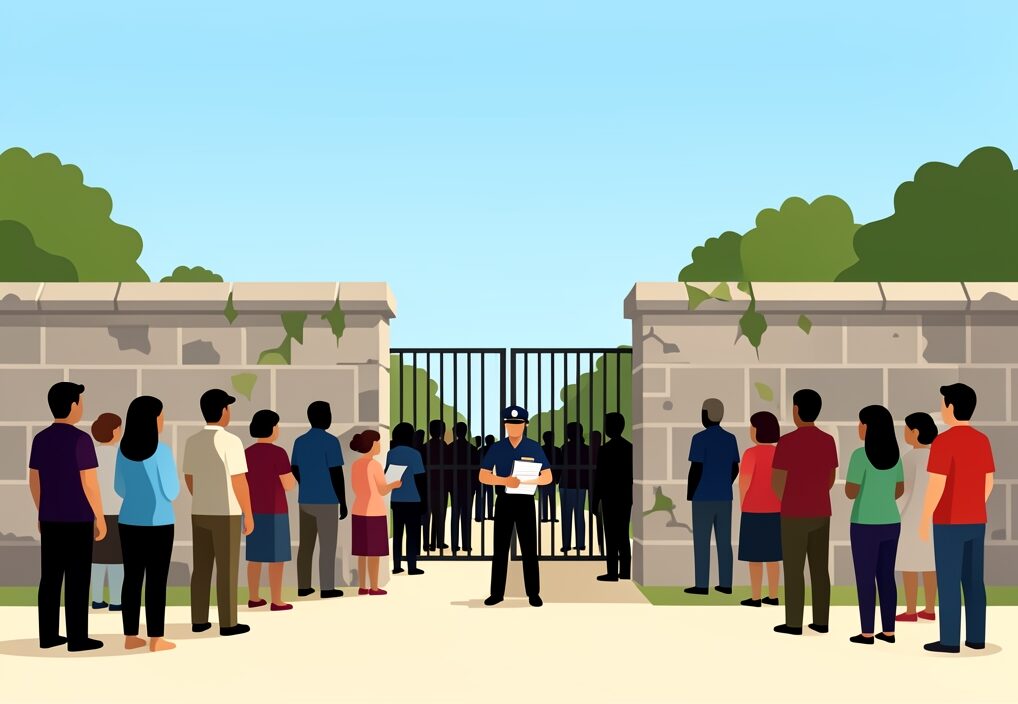
For impoverished families navigating the criminal justice system across the state, winning a court order for freedom is often only half the battle. Many inmates remain locked behind high brick walls simply because they cannot afford bail bonds or arrange for local sureties. The Supreme Court highlighted this exact vulnerability, noting that financial destitution should never serve as a de facto life sentence for citizens awaiting trial.
Legal aid networks and civic monitors have long argued that administrative lethargy compounds the misery of overcrowding in district facilities. When courts grant relief, paperwork frequently stalls or sits unattended in bureaucratic queues. This latest directive aims to pierce through that administrative inertia by placing direct accountability on executive machinery. Local administrative bodies must now audit release registers to prevent ongoing human rights violations.
Impact on Local Families and the Wider Legal Landscape
Here in Lucknow and across surrounding districts, the ruling resonates deeply with families who watch breadwinners languish behind bars despite legal vindication. Judicial oversight of this scale forces a reevaluation of how legal assistance reaches the most vulnerable citizens. Similar systemic challenges occasionally intersect with complex legal proceedings, such as those seen in cases involving the Uttar Pradesh Anti-Conversion Law: Allahabad HC Grants Bail to Eight Convicts, where timely relief remains a central subject of public discourse.
Beyond individual liberty, the state’s broader governance machinery faces continuous scrutiny on multiple fronts. Administrative bandwidth is frequently tested across various sectors, ranging from welfare rollouts like Pushpa Yadav Uttar Pradesh Grassroots Change in Schools to policy debates like the Nishad Party SC quota demand puts fresh pressure on BJP alliance in Uttar Pradesh, which highlights the complex political pressures shaping state priorities. Additionally, disaster management measures such as Yogi Adityanath Rain Relief Ordered for Uttar Pradesh Victims show how executive promptness is vital during crises.
Infrastructure developments such as the Park Hospitals Uttar Pradesh: ₹200 Crore Prayagraj Project and educational initiatives like the Uttar Pradesh progress card Initiative Set to Transform Classes 9 and 10 point to ongoing state-level changes. Economic milestones like Uttar Pradesh manufacturing Emerges as Top Hub with 9.28% GVA Jump further illustrate a busy administrative calendar. Ensuring that basic constitutional rights like personal liberty are enforced without administrative friction remains a fundamental test for governance.
- State administration must collaborate with DLSA units across districts.
- Financial barriers like surety demands will face administrative scrutiny.
- Permanent tracking mechanisms are mandated to prevent future delays.
Why it matters
Personal liberty cannot remain hostage to administrative paperwork or financial poverty. When the highest court of the land steps in to compel state machinery to act, it sends a clear signal that the justice system must protect the marginalized with equal vigor. For residents and civil society groups in Uttar Pradesh, monitoring this compliance drive is essential to ensuring accountability from local authorities.
As state agencies begin identifying affected inmates in consultation with legal aid boards, the real test will lie in the speed of execution. Families waiting outside district jails will measure progress not in judicial orders, but in open gates.
For further reading on this development, consult the original coverage on Hindustan Times.