Bonda tribal festival brings rare ancestral rhythms from Odisha to Lucknow
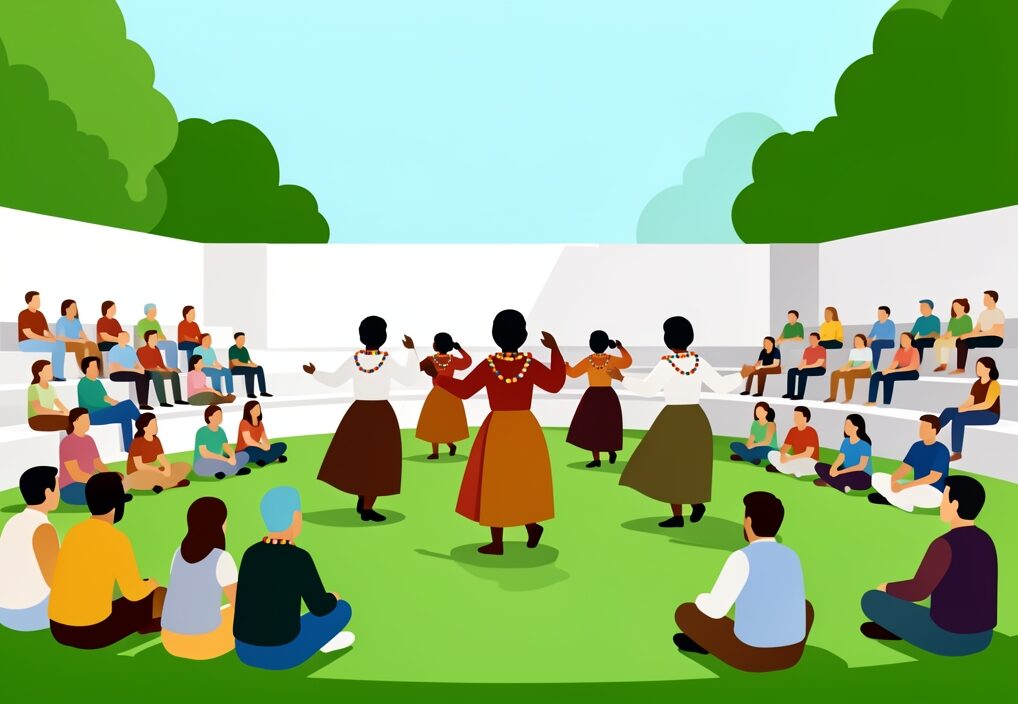
When artists from Odisha’s Particularly Vulnerable Tribal Group stepped onto the stage for the bonda tribal festival at Muktikashi Manch in Ram Manohar Lohia Park on Saturday, they brought centuries of mountain history straight into the heart of Uttar Pradesh. Organized as part of the Deshaj Cultural Festival, the performance offered Lucknow residents a rare window into a community that has lived in remote isolation for generations. Accompanied by retired judicial officer Pratima Rath, the visiting troupe showcased authentic folk songs and dances that rarely travel beyond their hilltop settlements.
For city residents and cultural enthusiasts who frequently track local arts—much like those drawn to the Lucknow Theatre Festival Marks Prof Satyamurti Birth Centenary at Sangeet Natak Academy or literary celebrations such as Jaane Jaan Lucknow Book Captures the Fleeting Charm of the City of Nawabs—this event presented an extraordinary educational experience. The Bonda community comprises an estimated 4,000 to 5,000 individuals spread across 25 remote hilltop villages in Odisha, with each cluster consisting of just 13 to 50 households.
Breaking Isolation Through Cultural Preservation
Historically, traditional Bonda dances and folk songs remained tightly restricted to local seasonal celebrations like Chaita Parab, Jait Parab, and Dussehra Parab. Venturing beyond their ancestral hills was once unthinkable for the community. Even today, strict entry restrictions protect outsiders from entering Bonda villages. Pratima Rath explained that the community’s distinctive traditional attire and dressing practices make them vulnerable to various forms of exploitation if exposed without safeguards.
The initiative to bring these traditions to public platforms was originally spearheaded by an NGO founded by Rath’s late husband, dedicated to supporting eight marginalised tribes in Odisha. Following his passing in 2020 and her own retirement from judicial service in 2023, Rath took over the mission to build bridges between isolated tribal populations and mainstream cultural festivals across India. Her efforts ensure that art forms preserved by tribal elders find appreciation on national platforms without compromising community safety.
For ordinary citizens living in urban centers like Lucknow, encountering these rhythms creates a direct link to ancient ways of living that predate modern administrative boundaries. Tribal elders pass down oral histories through song and bodily movement, capturing relationships with forest ecosystems that urban planning seldom acknowledges. Witnessing these expressions live in a municipal park reminds local residents of the immense human diversity folded inside the national fabric.
Why it matters
Lucknow has long embraced a diverse spectrum of cultural expressions, welcoming everything from independent filmmaking inspired by local creative spaces—similar to the journey behind Mark Bennington Short Film Born From Lucknow Festival Inspiration—to grand seasonal festivities. Hosting the Bonda troupe expands the city’s cultural horizon beyond regional boundaries, offering residents and visitors a direct connection to India’s vanishing indigenous roots. As rapid urban expansion reshapes modern lifestyles, platforms like the Deshaj festival provide a vital counterweight, fostering national integration through shared artistic heritage.
This engagement also prompts important conversations about how metropolitan hubs interact with indigenous populations. While big cities consume goods and cultural products from across the country, welcoming grassroots artists in person allows for reciprocal dialogue. Viewers gain an authentic appreciation of struggles faced by vulnerable groups, ranging from land preservation to climate shifts affecting hilltop agriculture in the Eastern Ghats.
- Performance Venue: Muktikashi Manch, Ram Manohar Lohia Park, Lucknow
- Featured Community: Bonda Tribe, Odisha (Particularly Vulnerable Tribal Group)
- Leadership Support: Guided by retired judicial officer Pratima Rath
Exposing urban audiences to indigenous art forms helps safeguard vulnerable cultures against extinction while enriching the capital’s civic calendar.
Bridging Distant Traditions and Urban Spaces
Bringing remote tribal art to urban parks requires careful coordination, balancing public visibility with cultural sensitivity. While Lucknowites often focus on local civic milestones—ranging from discussions on Lucknow groundwater extraction exceeds safe limits by 28 percent to infrastructural updates like Awadh Underpass Lucknow Nears Finish: Commuters Set for Relief by March—cultural events remind residents of the wider mosaic that constitutes the nation. By hosting artists from Odisha, Lucknow reinforces its status as a welcoming cultural crossroads.
Public parks in state capitals serve multiple functions. They offer morning walking tracks, evening relaxation spaces, and occasionally, venues for extraordinary cultural exchanges that challenge our daily routines. When folk beats echo across the lawns of Lohia Park, office workers and families pause their rush to listen to sounds shaped by wind and hills far away from Awadh’s plains.
Detailed accounts of the event can be found in the original reporting by Hindustan Times.