CM Yogi Adityanath Ayodhya Visit: Honorarium Hikes and Temple Reviews Shape New Welfare Push
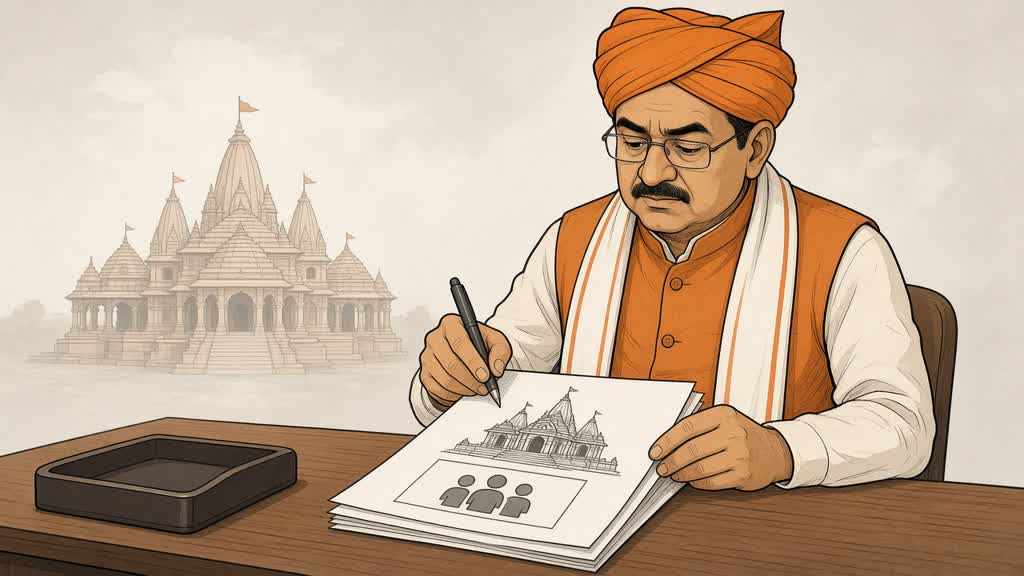
During his CM Yogi Adityanath Ayodhya visit on Tuesday, the Chief Minister marked a significant welfare push as the state government raised monthly financial support for grassroots female caregivers while inspecting ongoing infrastructure work at the holy city’s grand shrine. Arriving directly from an Anganwadi workers’ felicitation programme in Ayodhya on September 8, 2026, he offered traditional prayers at Hanumangarhi and sought blessings at the Shri Ram Janmabhoomi Temple, setting a tone of administrative urgency paired with spiritual reverence.
For residents watching developments across Uttar Pradesh, the timing connects closely with broader state administrative shifts. Recently, administrative adjustments have touched key regional institutions, mirroring changes seen when the Ram Temple CEO appointment brought retired Air Marshal Jeetendra Mishra to Ayodhya administration to streamline complex pilgrim management. During Tuesday’s tour, Mishra formally welcomed the Chief Minister to the temple complex, where discussions quickly turned to crowd control, cleanliness standards, and overall visitor convenience.
Elevating Grassroots Welfare and Healthcare Support
Beyond temple logistics, the day’s core administrative takeaway centers on a long-awaited financial correction for frontline health workers. The state government announced that monthly honorariums for Anganwadi workers will increase from ₹8,000 to ₹12,000. Meanwhile, helpers will see their monthly payments rise from ₹4,000 to ₹6,000. In addition to direct monetary relief, the administration rolled out a cashless medical treatment facility of up to ₹5 lakh annually for these workers and their families.
Reactions from rural and urban pockets alike reflect deep relief. Caregivers across districts noted that these policy adjustments directly validate their daily labor in managing child nutrition and early childhood education. This policy rollout precedes the launch of National Nutrition Month 2026, which shifts focus to Varanasi for the state-wide rollout of the ‘Hamari Anganwadi, Hamari Zimmedari’ campaign under the thematic banner of “Sahi Poshan, Desh Roshan.” Observers in Lucknow note that these integrated welfare steps aim to shore up rural public health frameworks ahead of upcoming state initiatives, mirroring past efforts seen during major urban rollout events like when Yogi Adityanath launched UP Startup Mission Portal and Startup Policy 2026 in Lucknow to spur formal economic structures.
Rigorous Facility Reviews and Pilgrim Management
Back in Ayodhya, the administrative machinery remains on high alert. With millions expected for upcoming festive milestones—echoing intensive planning phases traditionally seen during events like Ayodhya 10th Deepotsav preparations with high-level security and devotee facility reviews—the Chief Minister personally reviewed sanitation parameters and security deployments within the temple precinct. Local officials received strict directives to eliminate bottlenecks and ensure seamless movement for elderly and out-of-state visitors.
- Honorarium increased to ₹12,000 for Anganwadi workers.
- Helpers’ monthly payout raised to ₹6,000.
- Annual cashless medical insurance coverage capped at ₹5 lakh per family.
The immediate local impact bridges administrative welfare with high-volume tourism management, ensuring that rapid infrastructural expansion runs parallel to tangible financial security for grassroots public servants.
Why it matters
For the urban middle class, diaspora members, and everyday residents keeping track of Uttar Pradesh politics, these developments illustrate how state machinery balances mega-tourism infrastructure with foundational human development. When the state secures its religious hubs, it simultaneously recalibrates the economic dignity of thousands of women running village-level childcare centers. These interconnected policy shifts redefine how public administration operates across both major religious centers and regional municipal districts.
For deeper context on how regional development projects unfold across the state, readers can also review infrastructural upgrades discussed during events such as Lucknow Cantt Development Projects launch by Rajnath Singh and Yogi Adityanath, or look at broader agricultural and disaster responses like Flood Control Uttar Pradesh: Yogi Adityanath reports sharp drop in affected districts. As governance patterns evolve, municipal tracking continues to reveal how state policy directly influences daily life from Lucknow to Ayodhya and Varanasi.
Sources: Reporting based on state dispatches from Free Press Journal Ayodhya coverage, National Nutrition Month announcements, and Anganwadi honorarium hike reactions.