Delhi-bound buses Lucknow face severe crunch after Diwali
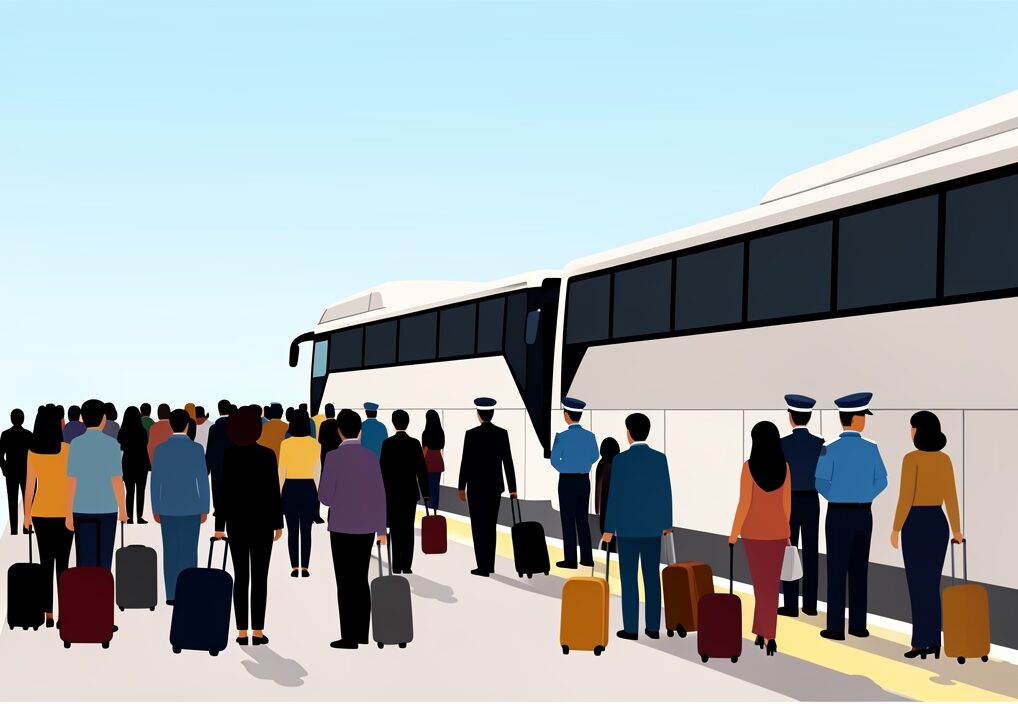
Delhi-bound buses Lucknow are facing an unprecedented passenger surge as travelers scramble to secure seats for their return journeys following the festival of lights. Online-bookable transport services along this vital corridor remain completely full until November 15, leaving hundreds of professionals, students, and families stranded or pacing transit terminals. This severe bottleneck highlights recurring logistical strain during peak seasonal migrations, echoing past congestion seen during major festive periods like the heavy Dhanteras and festive rush that choked city roads earlier in the season.
According to official data shared by the Uttar Pradesh State Road Transport Corporation (UPSRTC), passenger traffic heavily spiked during the four core festival days. A staggering 1.15 lakh passengers traveled from Delhi to Lucknow by bus during this window, marking a sharp increase from the 1.03 lakh recorded during the previous year. Paradoxically, the transport administration deployed fewer vehicles this season, dropping the operational bus count from 1,052 down to 945 units. These travel strains also intersect with regional safety concerns, much like the distress seen after accidents on major arterial corridors such as the Lucknow-Agra expressway accident near Para, underscoring the constant risks tied to high-speed festive transit.
Behind the Transit Bottleneck
The reduction in operational fleet size directly catalyzed the current seat shortage. While thousands poured into the city to celebrate with loved ones, the mismatch between diminished vehicle deployment and heightened commuter volume caught transit planners off guard. Passengers attempting to resume work or studies in the national capital found themselves locked out of standard booking portals days in advance.
Similar systemic infrastructure pressures often surface across other high-capacity transit points in Uttar Pradesh, mirroring the operational disruptions previously witnessed during large-scale public testing events like the SGPGI recruitment exam cancelled in Lucknow due to unexpected technical overloads. When systemic capacity fails to scale with seasonal demand, ordinary citizens bear the immediate brunt of the administrative shortfall. Citizens balancing everyday civic challenges—from administrative updates on property ventures like the Saumitra Vihar Lucknow project RERA approval to basic travel planning—often find their daily routines disrupted by infrastructural bottlenecks.
UPSRTC Response and Ground Measures
In an effort to manage the overwhelming crowds gathering at local transit hubs, regional authorities have scrambled to implement emergency containment protocols. Vimal Rajan, regional manager for the UPSRTC Lucknow region, noted that administration teams are actively tracking ground conditions.
- Thirty reserve buses have been earmarked to clear the backlog on priority routes.
- Dedicated traffic inspectors are stationed permanently at major bus terminals to monitor real-time passenger accumulation.
- Officials are continuously evaluating vehicle availability to dispatch extra trips toward the capital as required.
Despite these reactive interventions, regular commuters argue that proactive fleet expansion remains the only viable long-term solution for managing predictable holiday surges. For families navigating city infrastructure—whether dodging dust from unceasing municipal projects reminiscent of complaints about Lucknow air pollution spikes or managing health concerns during seasonal AQI dips like the Lucknow air quality plunge into poor category—seasonal mobility continues to test local patience.
Why it matters
The annual post-festival migration dictates the economic and personal routines of thousands of residents who split their lives between Avadh and the national capital. When public transport networks experience gridlock, it directly disrupts work schedules, academic calendars, and basic civilian movement. Ensuring adequate, reliable public transport during peak holiday windows is a fundamental civic necessity, not an administrative luxury. For comprehensive details on the official transport data and regional updates, read the full report on Hindustan Times.