
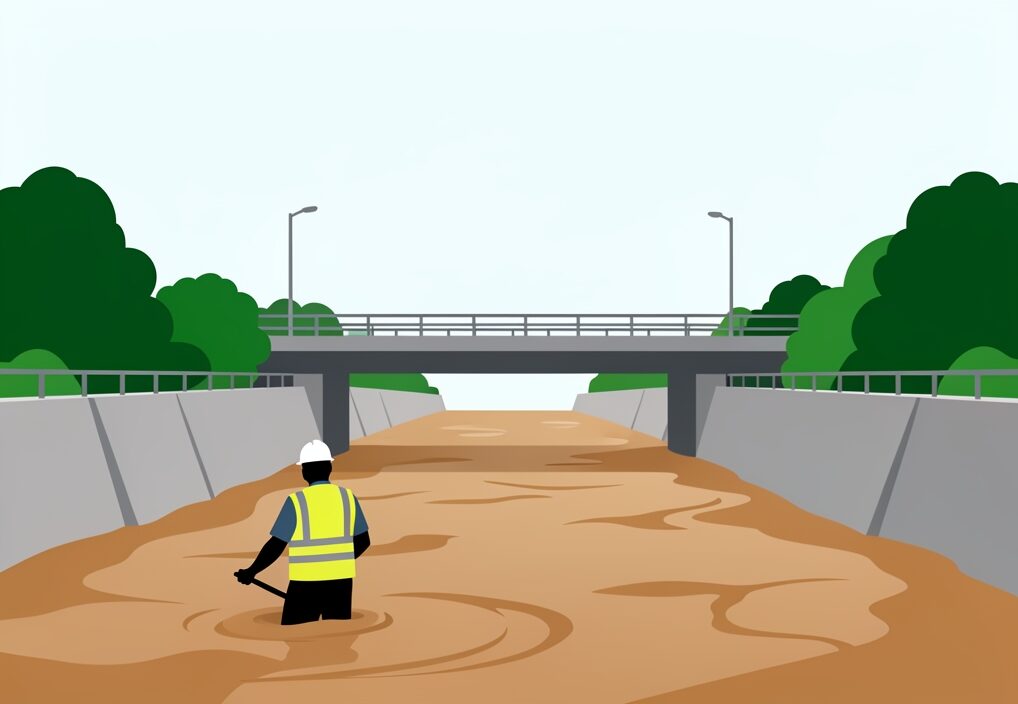
Gomti Water Level in Lucknow: Upstream Recession Brings Hope After Flooding
The gomti water level has finally started receding upstream at Bhatpurva, offering much-needed reassurance to residents across Lucknow after days of severe waterlogging and swollen riverbanks. According to irrigation officials, an 8cm drop recorded over a 24-hour period indicates that the flood peak is beginning to subside upstream. For commuters navigating flooded service lanes near Shaheed Path and residents dealing with persistent backflow issues, this shift marks the first concrete sign of recovery in a week dominated by civic distress.
Water levels at Bhatpurva dropped from 113.08 metres on Wednesday evening to 113 metres by Thursday evening. While downstream monitoring points across the city—including Gaughat, Hanuman Setu, and the Gomti barrage—continued to register rising trends on Thursday, hydraulic reality dictates that upstream drops will travel downward. Irrigation department engineers confirm that the downward travel time will translate into tangible relief for city localities within the next 48 hours, easing the severe strain on local infrastructure.
Understanding the Downstream Transit and Civic Impact
When upstream basins experience a drop, the volume takes time to navigate the meandering path toward urban barrages. Mukesh Vaish, an executive engineer with the irrigation division in Lucknow, noted that the fall observed at Bhatpurva will gradually reflect at urban check-points. As the volume moves downstream, neighborhoods grappling with rising seepage can expect the pressure on local stormwater systems to ease.
This hydrological breather comes on the heels of intense civic disruption. Earlier heavy spells forced the river to swell significantly, triggering emergency operations. Local authorities scrambled to deploy heavy machinery, mirroring emergency interventions seen during past weather anomalies detailed in Lucknow flood relief operations intensify as 26 LDA pumps target waterlogging. The backflow into drainage systems, particularly in low-lying pockets like Gomti Nagar Extension Sector 7, turned daily commutes into grueling trials, drawing parallels to challenges highlighted when the Gomti River Swells Eight Feet Above Normal, Swallowing Lucknow’s Riverfront.
For families living near the embankments, the constant monitoring of water marks has become a stressful routine. Municipal sanitation workers have been working double shifts to clear choked drains, while traffic police diversion plans have kept main arteries moving despite flooded service lanes. Every centimeter of drop at Bhatpurva represents a reduction in seepage pressure against boundary walls in low-lying residential colonies.
Navigating the Aftermath Across the City
For neighborhoods experiencing water-related disruptions, the past week tested civic endurance. Residents leaning on emergency services found local authorities stretched thin, prompting heightened vigilance from law enforcement agencies managing traffic snarls, similar to protocols observed in Lucknow Police Response Steps Up Amid Rising Gomti Waters and Flooded Service Lanes. Beyond the immediate civic friction, the city’s broader weather patterns have proven volatile, contrasting sharply with the dry spells or the unusual temperature dips recorded during periods like the Lucknow Weather Drops to 12-Year Low in September.
When heavy downpours hit the city, indoor routines take over. Families often look for ways to keep children engaged or seek out cozy spots, relying on guides like Rainy Day Lucknow: Indoors That Actually Work. Meanwhile, morning routines get disrupted when local vendors cannot set up their stalls near waterlogged crossings, pausing favorite local rituals such as those found on the Lucknow Street Breakfast Trail.
- Monitor local municipal advisories before planning commutes through low-lying underpasses.
- Keep emergency helpline numbers handy for localized waterlogging or drainage backflow complaints.
- Avoid venturing too close to slippery embankment steps and flooded service lanes near the barrage.
- Check municipal updates regularly regarding the status of dewatering pumps in your sector.
The next 48 hours remain a critical transition phase as the upstream recession fully registers across urban monitoring stations.
Why It Matters
For everyday life in Lucknow, the behavior of the Gomti dictates everything from daily commuting routes to residential safety. When the river breaches its banks, the disruption cascades through transport networks, commercial hubs, and residential drainage systems. Understanding the timeline of a river’s recession helps families plan their routines, allows municipal corporations to optimize dewatering deployment, and gives the wider diaspora monitoring hometown conditions a clear picture of recovery efforts.
As conditions normalize, residents can resume normal outdoor activities and return to enjoying the city’s seasonal rhythms. For further updates on local municipal shifts, consult our ongoing coverage of Yogi Adityanath Lucknow Job Models Recast PDA and NDA and seasonal transit guides such as First Weekend in Lucknow for Newcomers, or review recent reports on shifting monsoon trends like Lucknow Weather: Daylong Rain as Monsoon Begins Retreat.