
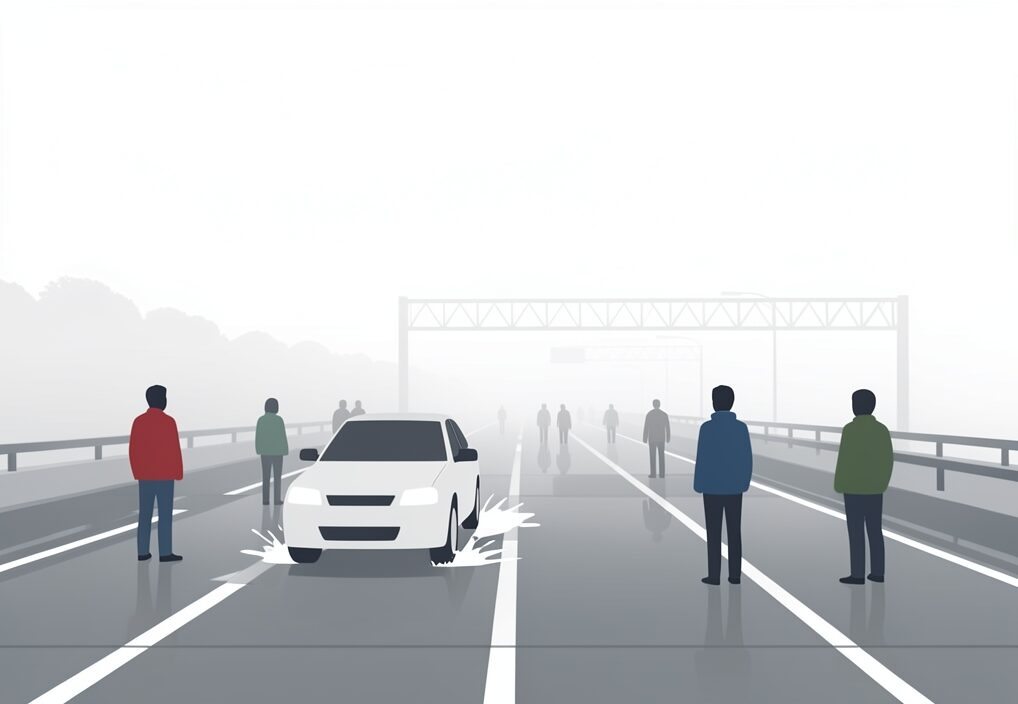
Yamuna Expressway Speed Limit: UP Cuts Speed to 75 Kmph to Combat Dense Fog Accidents
Drivers heading across Uttar Pradesh must brace for stricter road curbs as authorities move to prevent seasonal highway tragedies. The Yamuna Expressway speed limit has been officially reduced from 100 kmph to 75 kmph starting Wednesday, November 25, remaining in effect through February 15, 2027. Announced by state transport planners, this annual winter safety protocol targets the 165-kilometer corridor connecting Greater Noida and Agra, a high-speed stretch notorious for multi-vehicle collisions when dense winter weather blinds motorists.
For commuters, frequent travelers, and the UP diaspora tracking home-state infrastructure, this adjustment arrives alongside broader environmental shifts across the region, echoing conditions seen when dense fog blankets Lucknow and Uttar Pradesh as visibility plummets during early morning hours. Winter driving on North India’s high-speed concrete corridors requires a complete shift in reflexes, particularly where heavy transit meets sudden patches of zero visibility. Navigating these expressways safely means slowing down well before hitting invisible walls of mist.
Many local families heading toward the capital or making business trips across western UP often connect via regional hubs, sometimes reading about state investments like the Taiwan firm proposes ₹1,141-cr investment in UP electronics sector to boost tech manufacturing while planning their transit. Better industrial corridors mean more commercial vehicles on the road, which makes winter speed management even more critical for everyday drivers sharing asphalt with massive freight carriers.
Targeting the Winter Crash Cycle on the Greater Noida-Agra Corridor
Every winter, the Yamuna Expressway transforms into a high-risk zone. Thick blankets of fog roll off agricultural fields along the Yamuna river basin, dropping horizontal visibility to near-zero within minutes. Historically, these sudden whiteouts trigger catastrophic chain-reaction crashes involving commercial trucks, private cars, and interstate buses.
To head off these disasters, the Yamuna Expressway Authority has directed concessionaire Jaypee Infratech Ltd to enforce the revised 75 kmph ceiling while implementing extra safety interventions along the route. These measures complement wider regional initiatives, such as how the state tackles environmental hazards like those addressed in the Agra Modern Dhobhi Ghat project aimed at curbing Yamuna pollution amid wider UP civic realities, reflecting a multi-pronged approach to managing the river’s ecosystem and surrounding transport arteries.
Key elements of the seasonal directive include:
- Speed ceiling lowered to 75 kmph for all light and heavy vehicles across the 165-km stretch.
- Mandatory deployment of enhanced reflective road signage and hazard blinking lights by the concessionaire.
- Increased highway patrol monitoring to intercept overspeeding vehicles before visibility plunges.
- Stricter enforcement against unauthorized vehicle parking along expressway shoulders.
Civic Impact and Broader Road Safety Realities
While speed restrictions are vital, enforcement remains a persistent challenge on North India’s expanding network of access-controlled highways. Drivers accustomed to cruising at triple-digit speeds often ignore advisory warnings until visibility forces an emergency halt. Law enforcement agencies across the state are under pressure to balance rapid transit goals with commuter protection, drawing parallels to how the UP Police traffic congestion drop cited as the state force marks its 75th Flag Day in Lucknow highlights ongoing administrative pushes to streamline urban and highway movement.
Furthermore, haphazard commercial transit adds another layer of hazard to regional transit routes, much like the persistent challenges documented when examining how parked buses and heavy vehicles turn busy roads into makeshift homes. When stalled transport mixes with blinding winter fog, expressways become dangerous bottlenecks. Long-distance travelers might also recall cultural ties across the border or religious circuits such as the Saryu-Kamala Express connects Ayodhya to Janakpur directly, reminding us of how heavily connected our state’s transport grid remains.
Travelers must factor in longer journey times between the National Capital Region and Agra while adhering strictly to the new 75 kmph ceiling to avoid heavy fines and ensure family safety.
Why it matters
The reduction in highway speed limits is not merely an administrative checkbox; it is a critical intervention designed to save lives on heavily congested transit routes. For residents of Lucknow and wider Uttar Pradesh who frequently use these expressways for business or leisure, understanding these seasonal rules prevents tragic accidents. It also underscores the state’s ongoing struggle to modernize infrastructure safety standards in the face of extreme seasonal weather phenomena.
For further details on the official directive and background reports, consult the original coverage on Hindustan Times and related environmental updates via the urban expansion reports.
Sources
- Hindustan Times: Fog alert: Yamuna e-way speed limit cut to 75 kmph
- Hindustan Times: Yogi’s big urban push