Prayagraj rain fury: House collapses, crop damage, and power failures strike the region
Prayagraj rain fury leaves a trail of destruction with sudden house collapses, uprooted trees, and widespread power outages across the state.
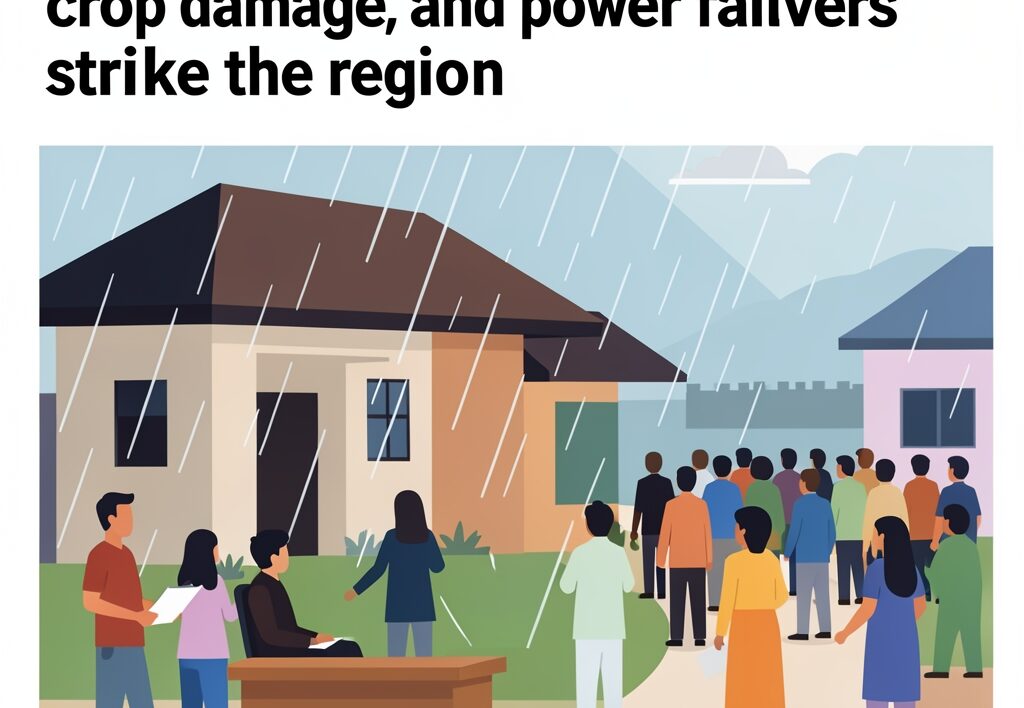
Incessant rain and strong winds over the past two days unleashed Prayagraj rain fury across the Prayagraj, Pratapgarh, and Kaushambi regions, damaging vulnerable structures, uprooting trees, knocking out electricity networks, and flattening standing paddy crops. For residents keeping an eye on regional weather developments from neighboring districts like Lucknow, these heavy downpours highlight the sudden vulnerability of rural and semi-urban infrastructure during unseasonal weather spells.
The extreme weather hit local communities hard late Friday night. In Kaushambi, local administration scrambled to move approximately 35 people from nine dilapidated houses to safer locations. Sirathu SDM Pramesh Srivastava personally inspected vulnerable structures in Atsarai, Saini, and Thulgula villages. Displaced residents found temporary shelter in local panchayat bhawans and village secretariats, where officials were instructed to provide basic provisions including food, drinking water, and emergency electricity supplies.
Human Toll and Housing Vulnerability
The human cost of the sudden downpour was sharply visible in Ajhuha Nagar Panchayat. A kutcha house in Ward 1 collapsed around 8 pm on Friday while a family of five sat down for dinner. Mahesh Kumar sustained injuries after getting trapped under the sudden debris, though other family members managed to escape unhurt. Speaking about the incident, Mahesh noted that he had applied multiple times for financial assistance under housing welfare schemes but had yet to receive a sanctioned dwelling.
Such incidents echo concerns often discussed when severe weather hits urban and rural pockets alike, mirroring worries seen during events like Lucknow Thunderstorm Triggers Waterlogging and Power Cuts Across City Localities and broader infrastructure vulnerabilities highlighted in Delhi Satya Niketan PG collapse: Death toll reaches 6 as rescue continues. Across the affected districts, agricultural fields suffered heavy losses, with mature paddy crops flattened by aggressive gusts.
Local farmers now face mounting losses just weeks before harvest season. Agricultural extension officers have begun field surveys to estimate compensation requirements, though past delays in relief distribution leave many local cultivators anxious about their immediate financial survival.
Administrative Response and Regional Impact
- Local authorities mobilized round-the-clock teams to inspect vulnerable rural housing across three districts.
- Emergency shelters were established in community buildings to house displaced families from Kaushambi safely.
- Power distribution networks faced widespread failures, forcing urgent field repairs by electricity department crews.
For readers tracking broader regional developments—whether following improvements like Prayagraj Flights Expansion Brings Festive Travel Relief, academic upgrades such as Prayagraj NRIPT BTech Upgrade: State Eyes Technical University Status, or regional planning updates like UP State Capital Region Base Map Approved: What It Means for Lucknow’s Future—the immediate priority remains disaster response and relief distribution. Similar weather patterns have previously disrupted capital routines, as noted in Lucknow Weather: Daylong Rain as Monsoon Begins Retreat.
Key Takeaway: Swift administrative intervention prevented a larger tragedy in Kaushambi, but the collapse of vulnerable rural housing underscores ongoing gaps in last-mile welfare scheme delivery.
Why it matters
Severe weather events across Uttar Pradesh expose the critical gap between emergency disaster response and long-term rural housing security. When basic shelters fail during heavy downpours, low-income families bear the brunt of administrative delays in housing schemes. For commuters, students, and families across the state, these recurring weather disruptions serve as a stark reminder of the urgent need for climate-resilient rural infrastructure and modernized civic monitoring.
Detailed reporting on these developments was originally covered by Hindustan Times.