Sikandar Bagh
Sikandar Bagh is Wajid Ali Shah’s walled garden, stormed in 1857, now largely the CSIR-NBRI botanic garden. Morning walkers use it; it is not a city picnic park. Confirm public hours at the NBRI gate.

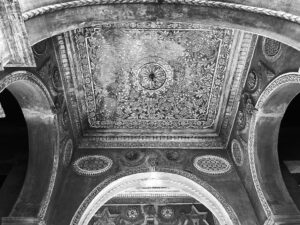
Sikandar Bagh is Wajid Ali Shah’s walled garden, stormed in 1857, now largely the CSIR-NBRI botanic garden. Morning walkers use it; it is not a city picnic park. Confirm public hours at the NBRI gate.
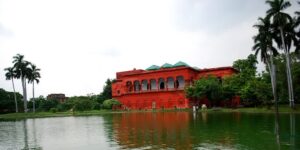
The Hussainabad Picture Gallery is the old baradari by the Clock Tower, a hall of Nawab portraits, not a room of Chota Imambara or the Bhulbhulaiya. The Trust lists it on the combined pass. Confirm Friday hours at the counter.
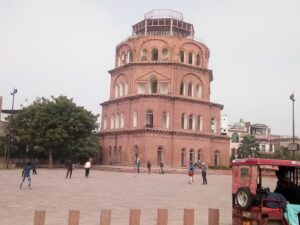
Satkhanda is Muhammad Ali Shah’s unfinished Hussainabad watchtower, meant for seven storeys and stopped at four. It stands near Chota Imambara, not inside it. The Trust lists it on the combined pass; confirm stair access at the gate.
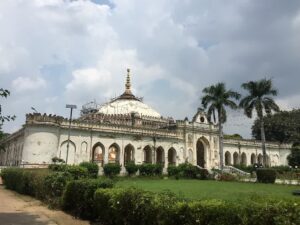
Shah Najaf on Rana Pratap Marg is the tomb Ghazi-ud-Din Haider built, named for Najaf in Iraq. It is a living imambara, not Bara or Chota Imambara. Confirm hours at the gate; tourist pages often list it as free.
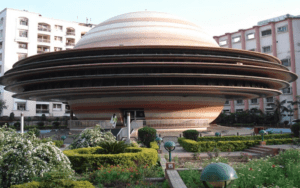
Indira Gandhi Planetarium, Lucknow’s Saturn-shaped taramandal, stands at Surajkund Park on Nabiullah Road by the Gomti, not at Lohia Park. Shows run most days except Monday. Ticket rates changed after the 2025 upgrade, so confirm at the counter.
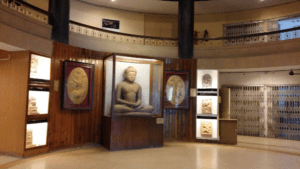
The State Museum is one of India’s older museums, begun in 1863 and now in Banarasi Bagh beside Lucknow Zoo. Come for sculpture, coins, Awadh objects and an Egyptian mummy. Closed Mondays; confirm hours and tickets at the counter.
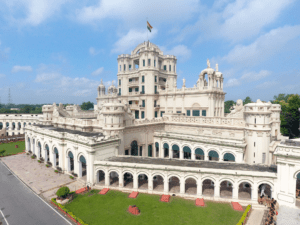
La Martiniere College grew from Claude Martin’s will and his house, Constantia. The boys’ school opened in 1845; the girls’ college came later. It is a working school, not a public park. Do not wander the grounds without permission.
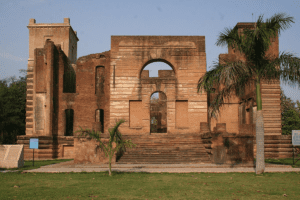
In the Cantonment gardens, this English Baroque hunting lodge survives as towers and walls. Gore Ouseley designed it for Saadat Ali Khan. Campbell took the height in November 1857, and Havelock died here a few days later.
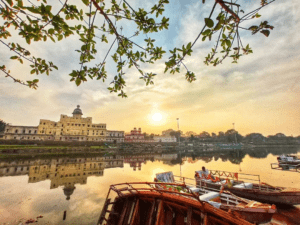
The Umbrella Palace on the Gomti is a closed riverside house in 2026, awaiting adaptive reuse rather than offering museum rooms. Read the gilt chhatar and the old Farhat Bakhsh cluster from the street and the riverbank.
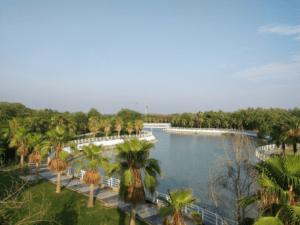
Janeshwar Mishra Park in Gomti Nagar Extension is Lucknow’s large urban park, often cited at about 376 acres. Morning walkers and evening families share the paths. Entry is inexpensive; hours and extra rides should be confirmed at the window.